Retractable seating vs. fixed seating: which is better
When planning a sports venue, event space, or auditorium, one of the most critical decisions you’ll make is choosing between retractable seating and fixed seating. Both options have their unique advantages, drawbacks, and ideal use cases—and the “better” choice depends entirely on your specific needs, space constraints, and long-term goals. In this blog, we’ll break down the key differences, pros, and cons of each, helping you make an informed decision that aligns with your venue’s purpose.
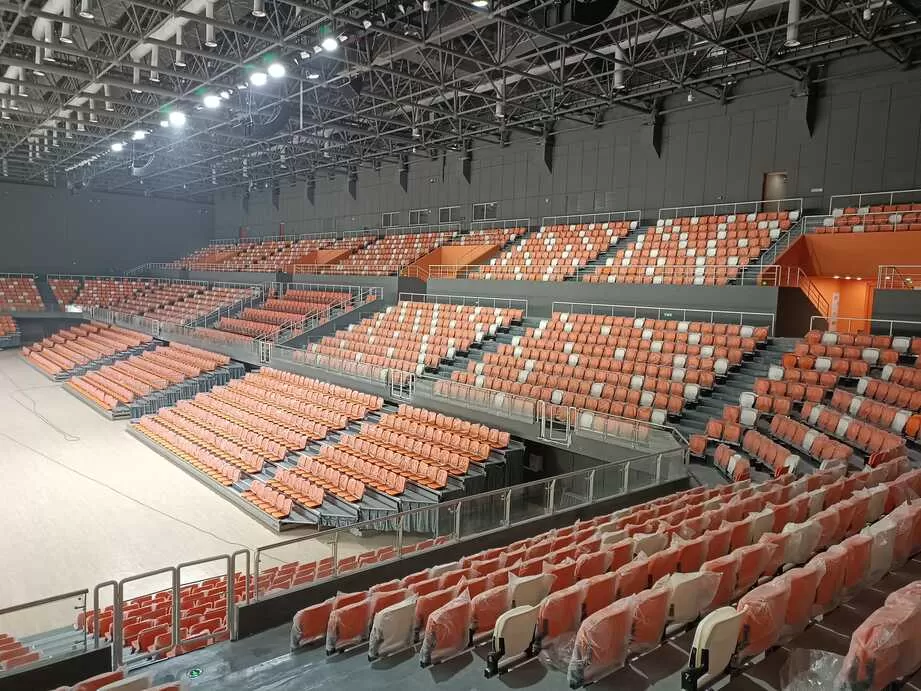
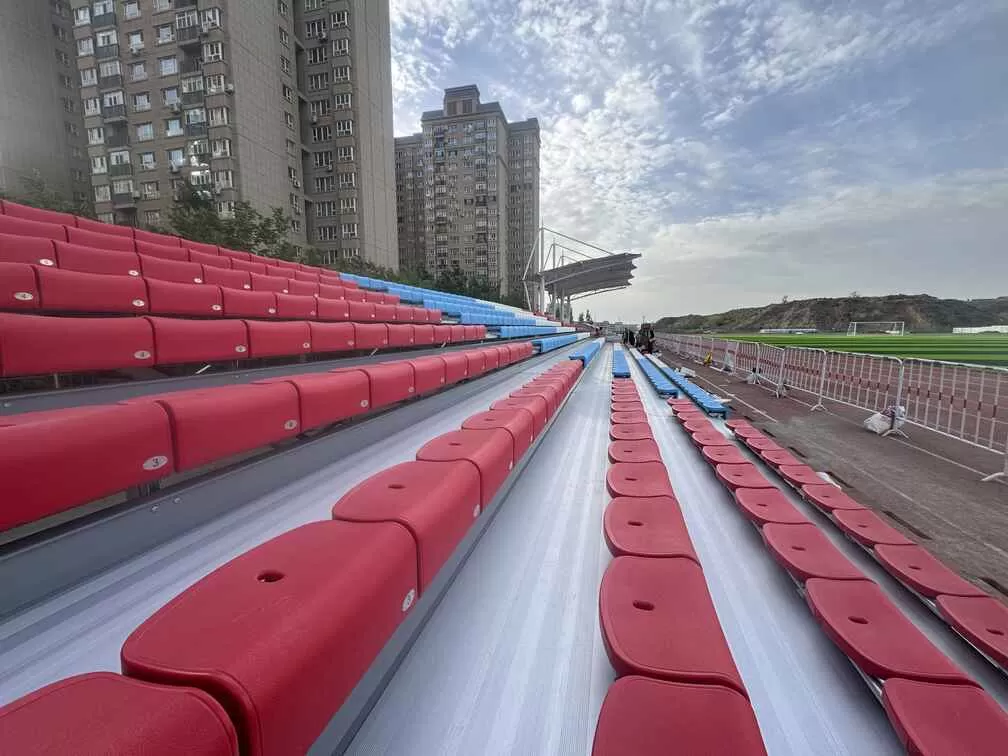
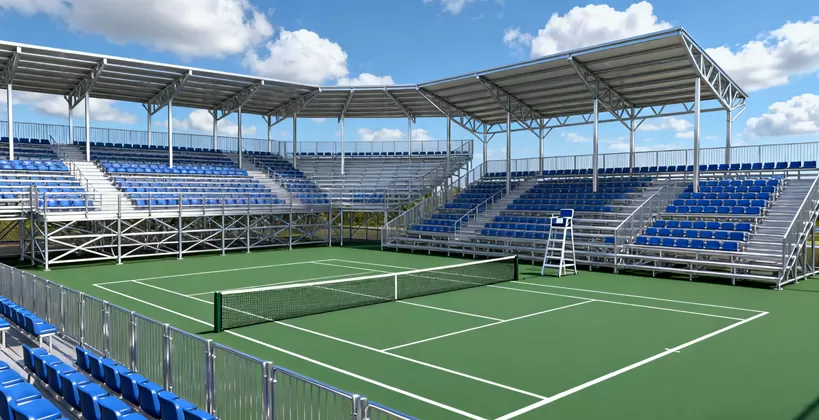
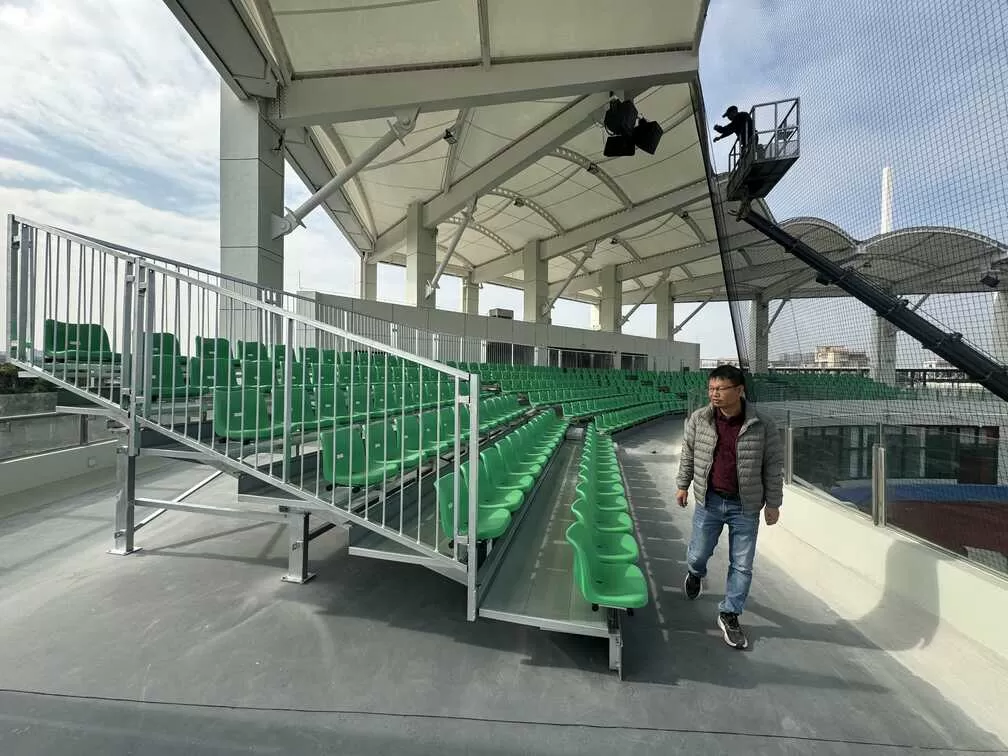
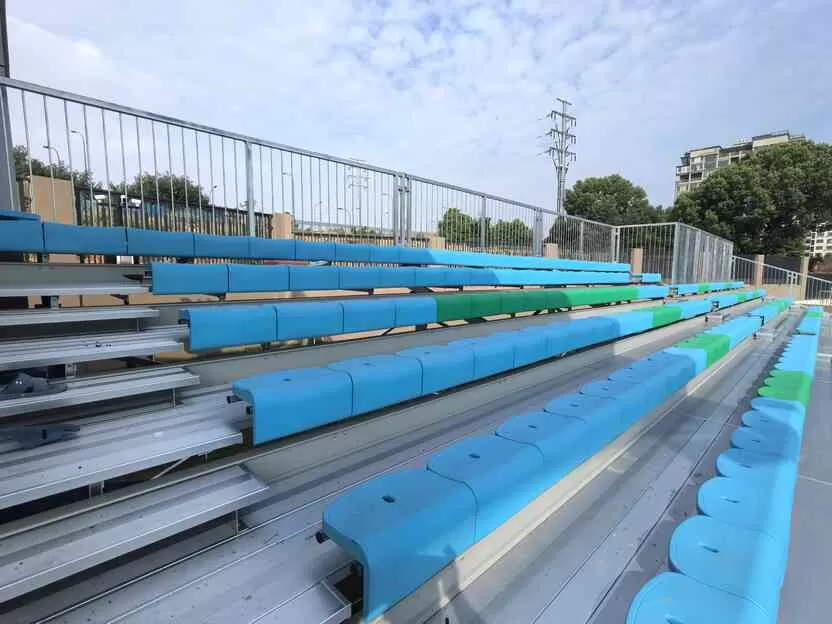
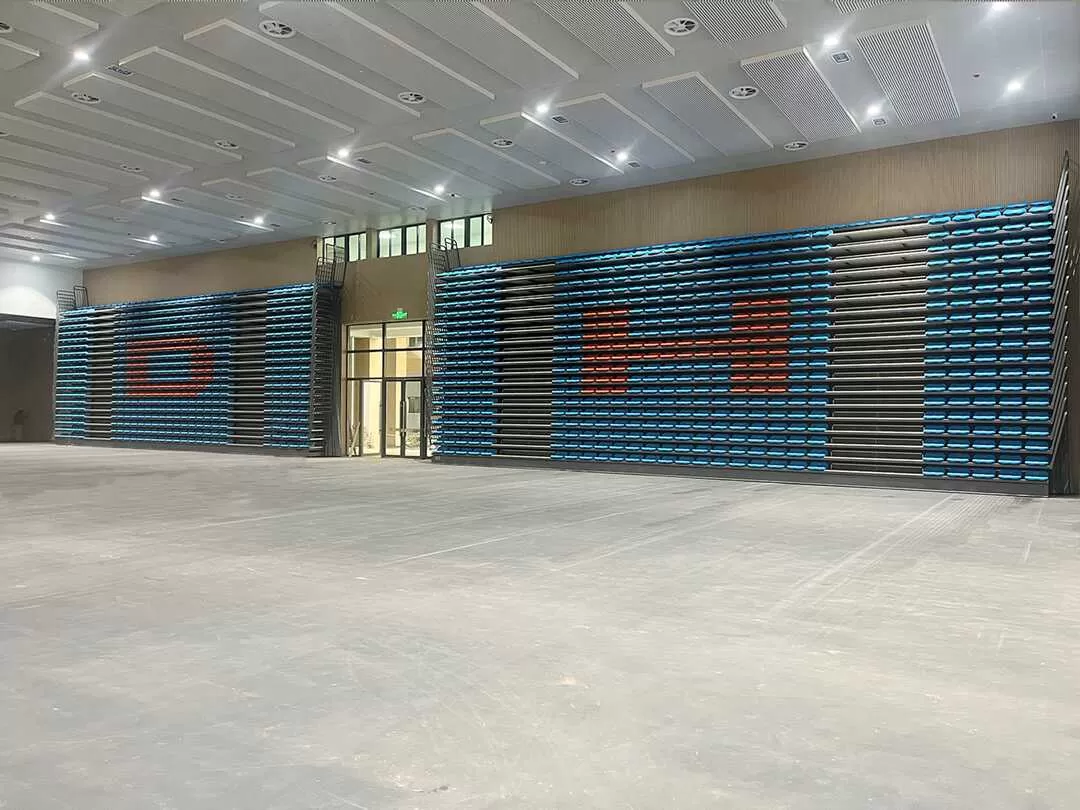
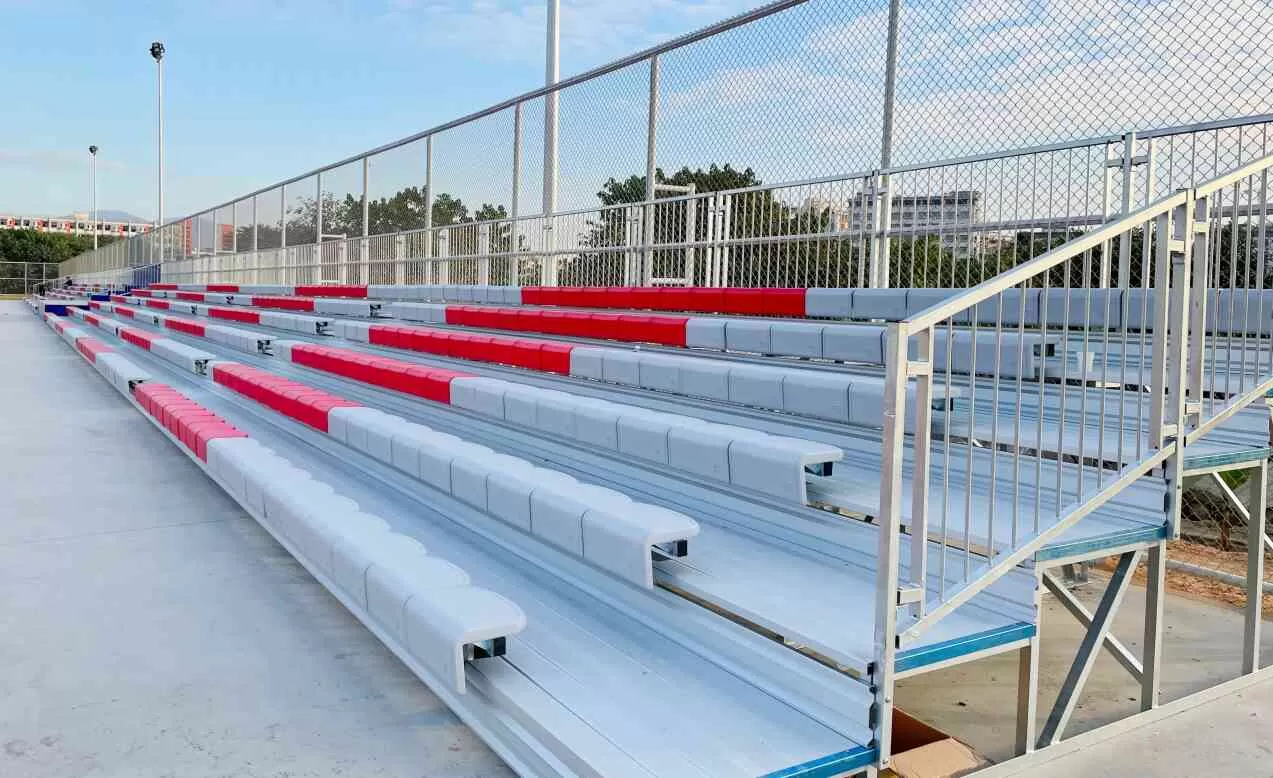
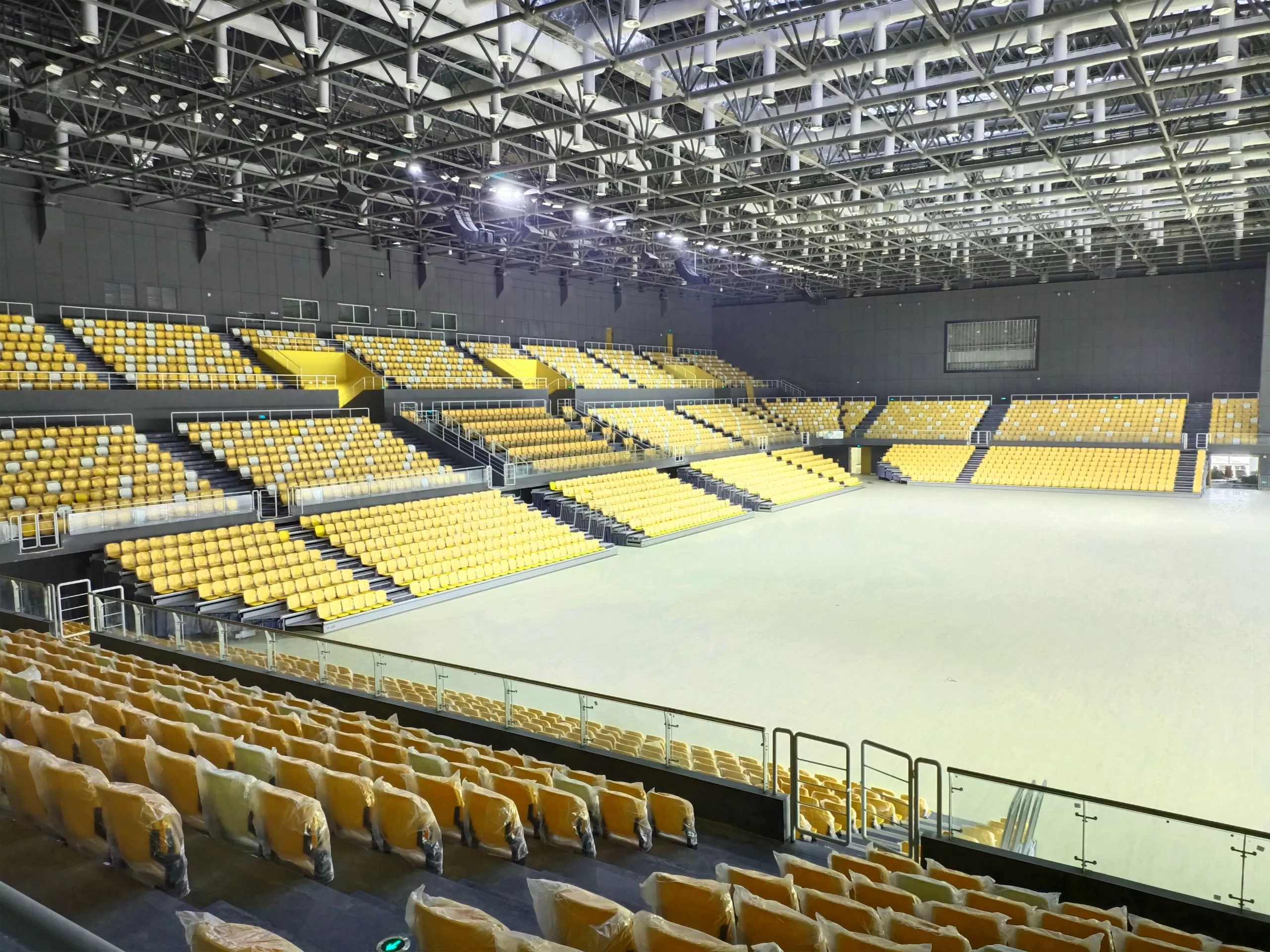
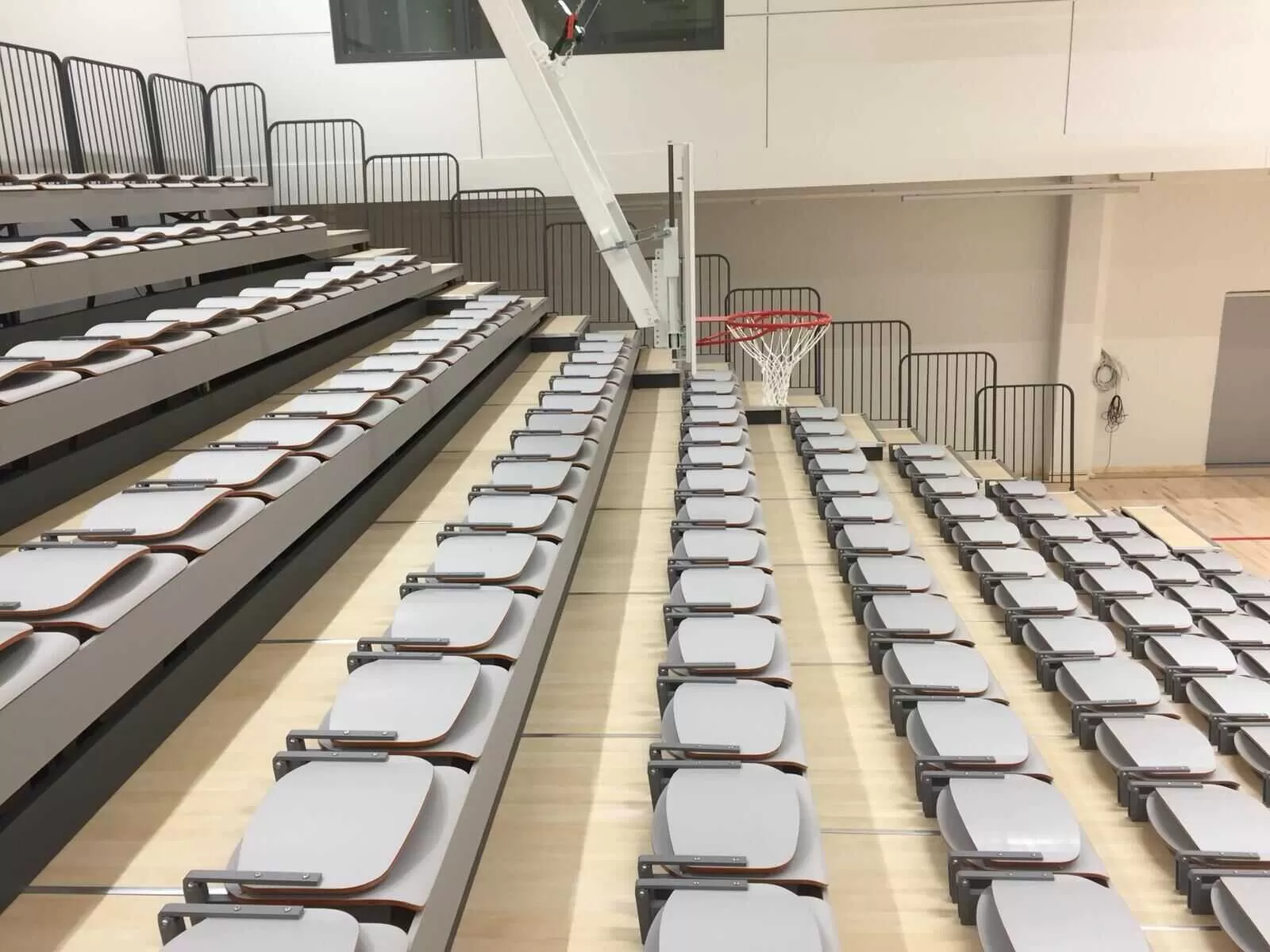
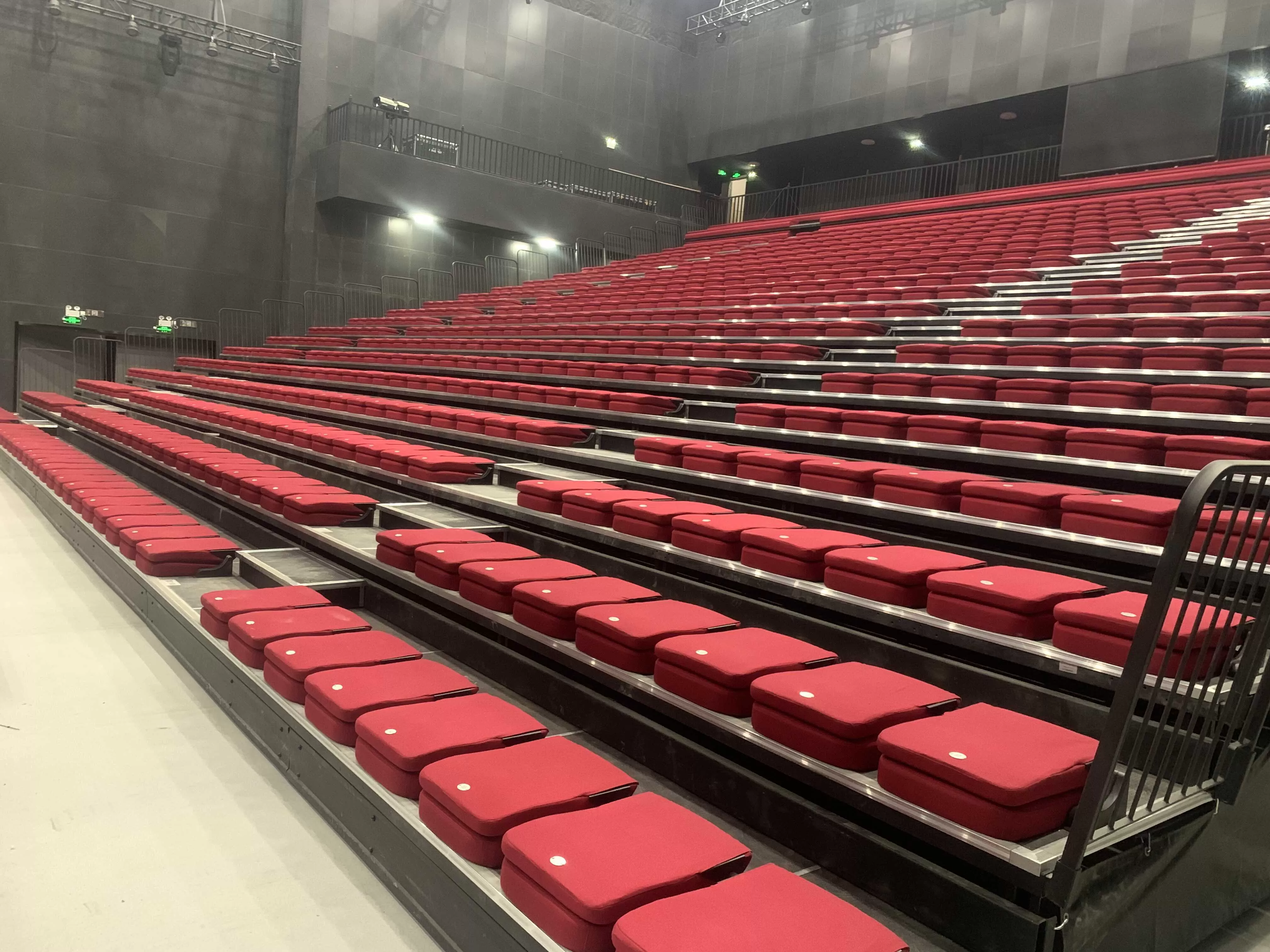
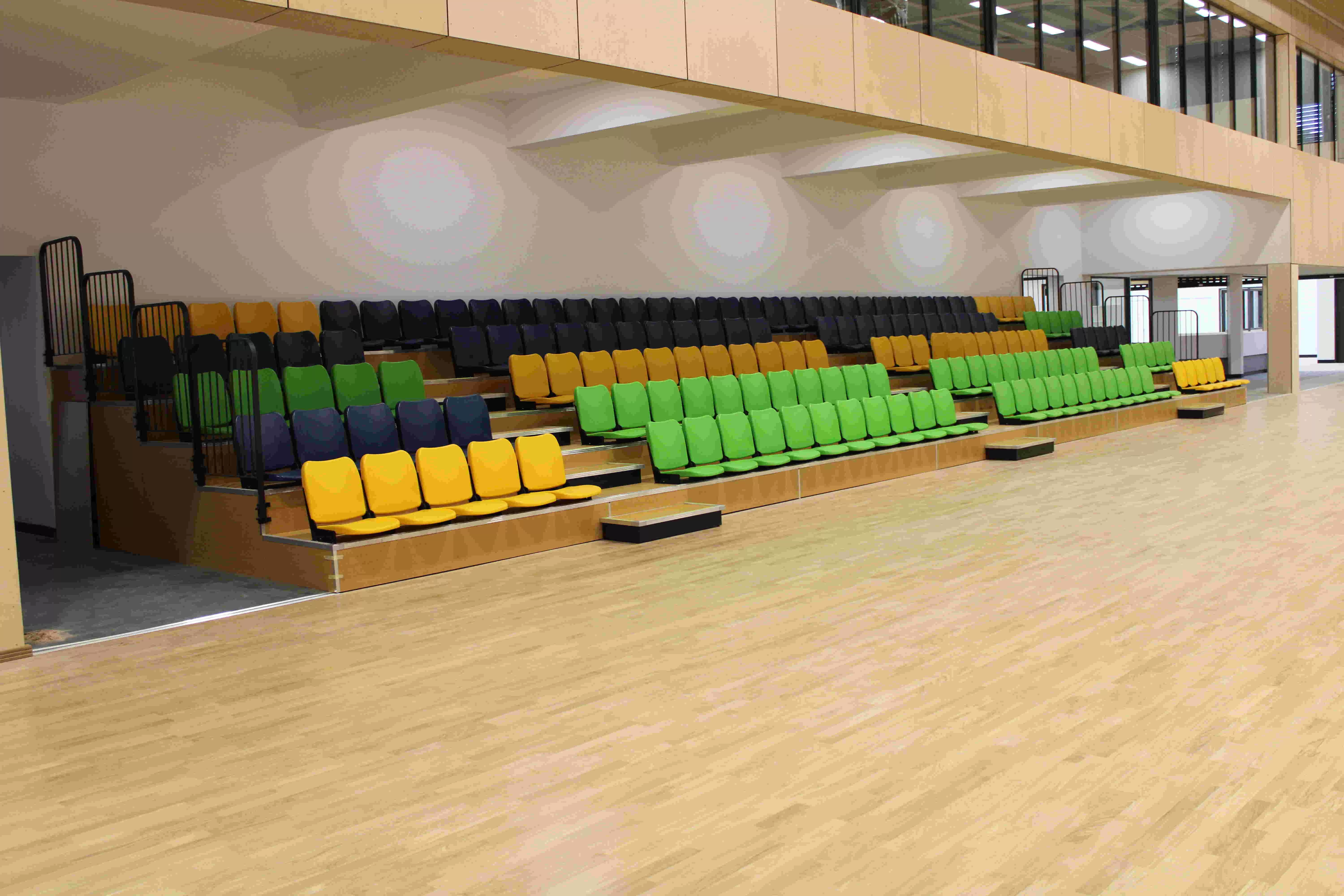
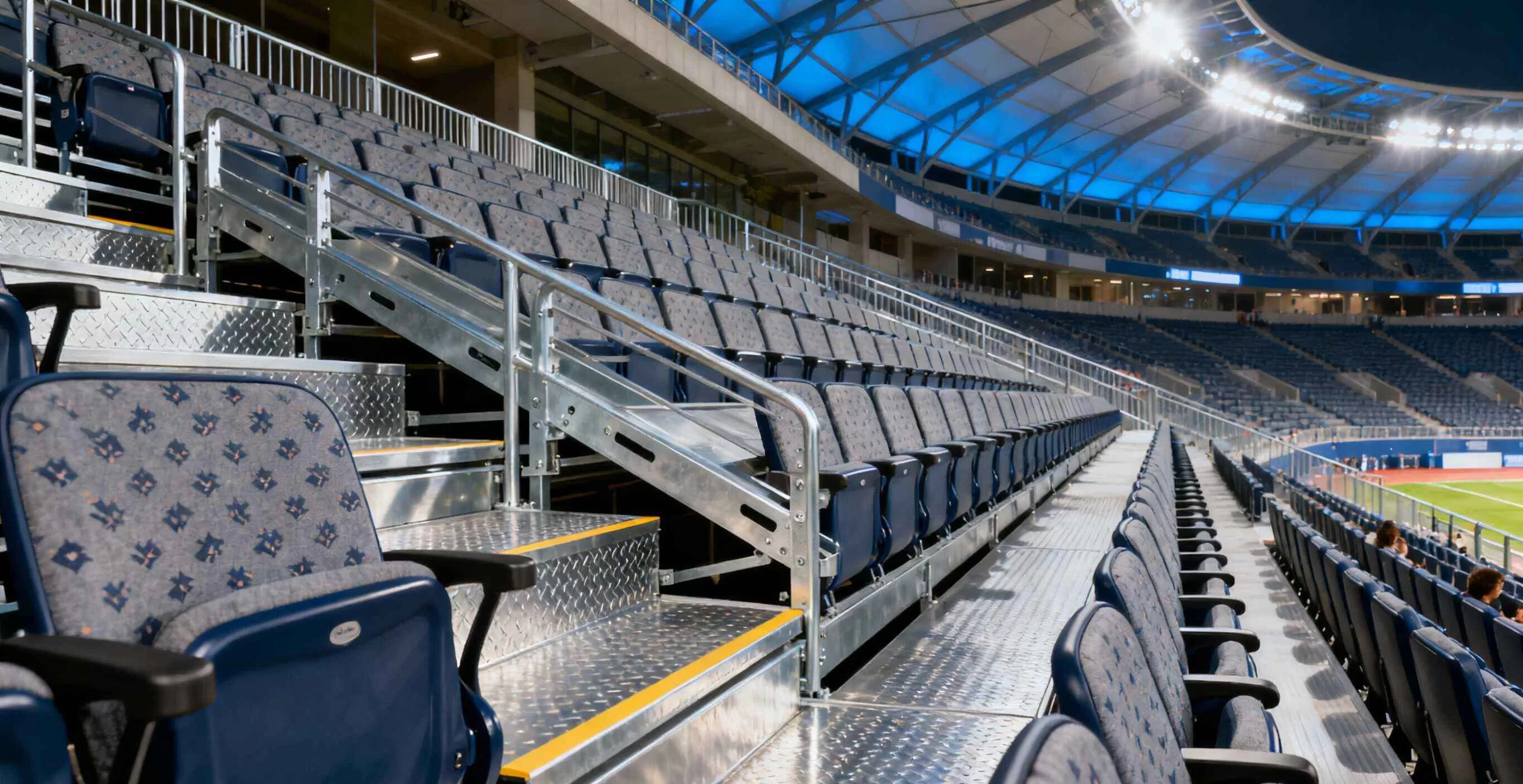
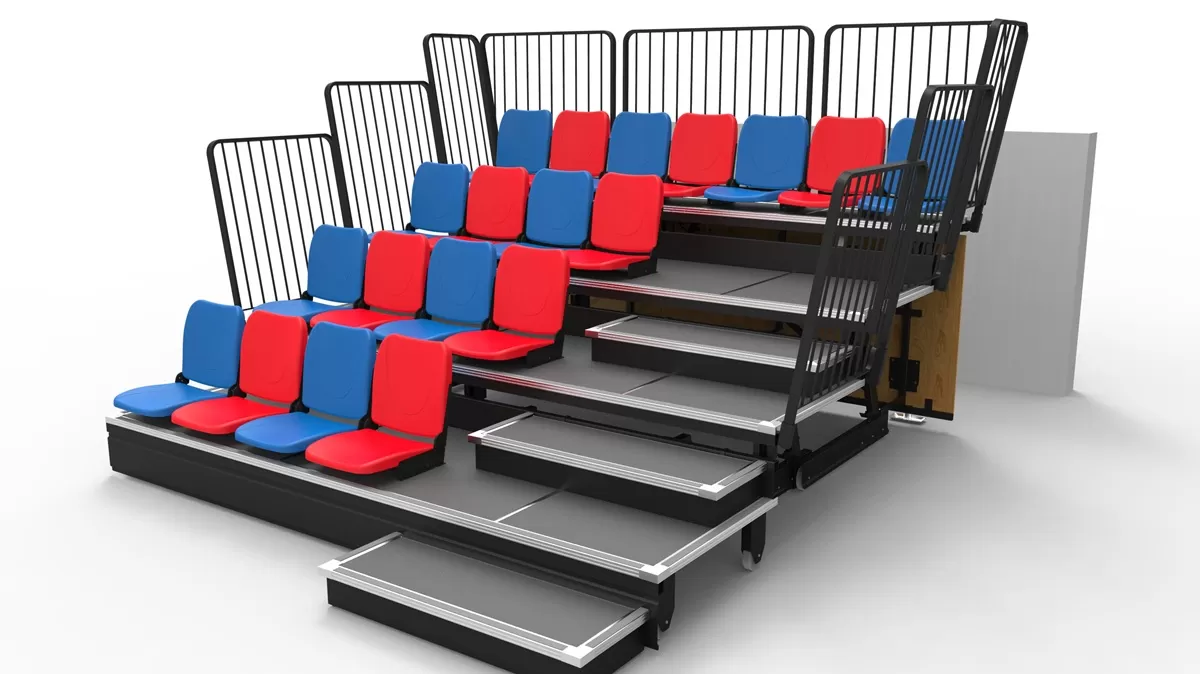
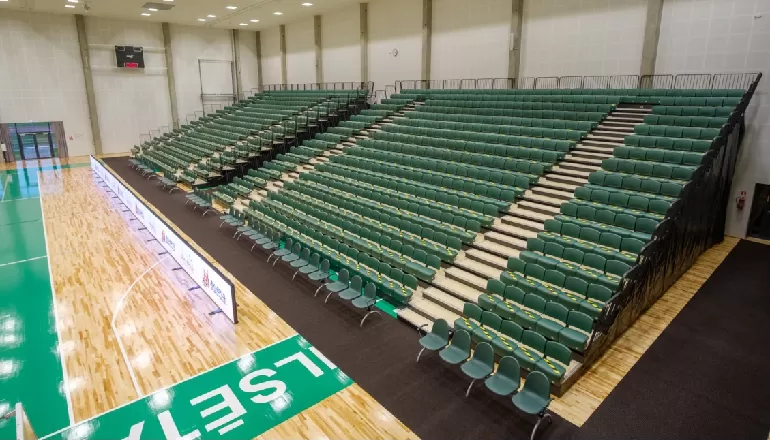
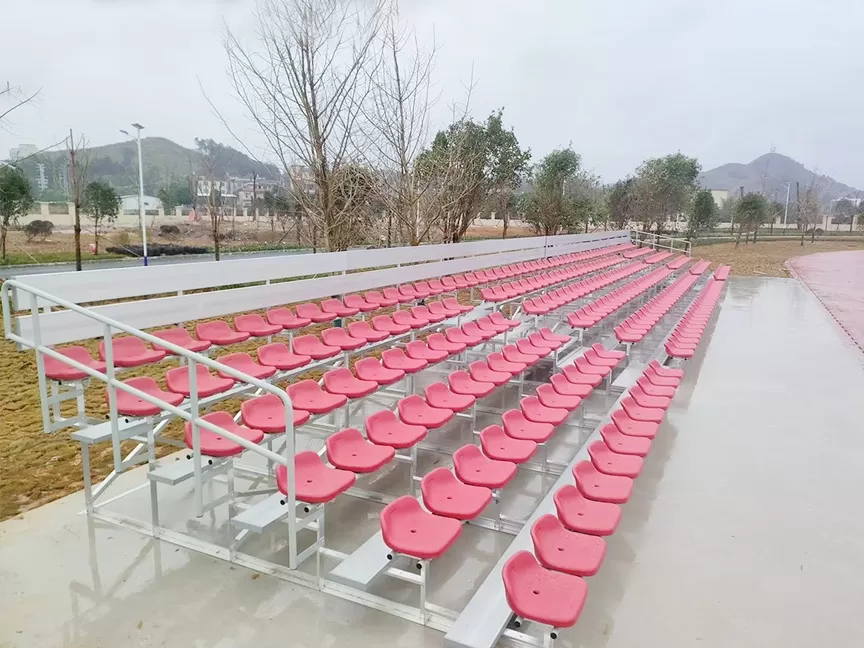
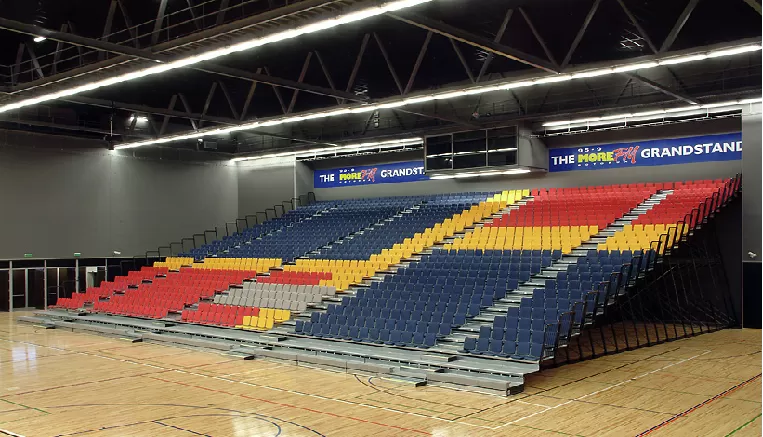
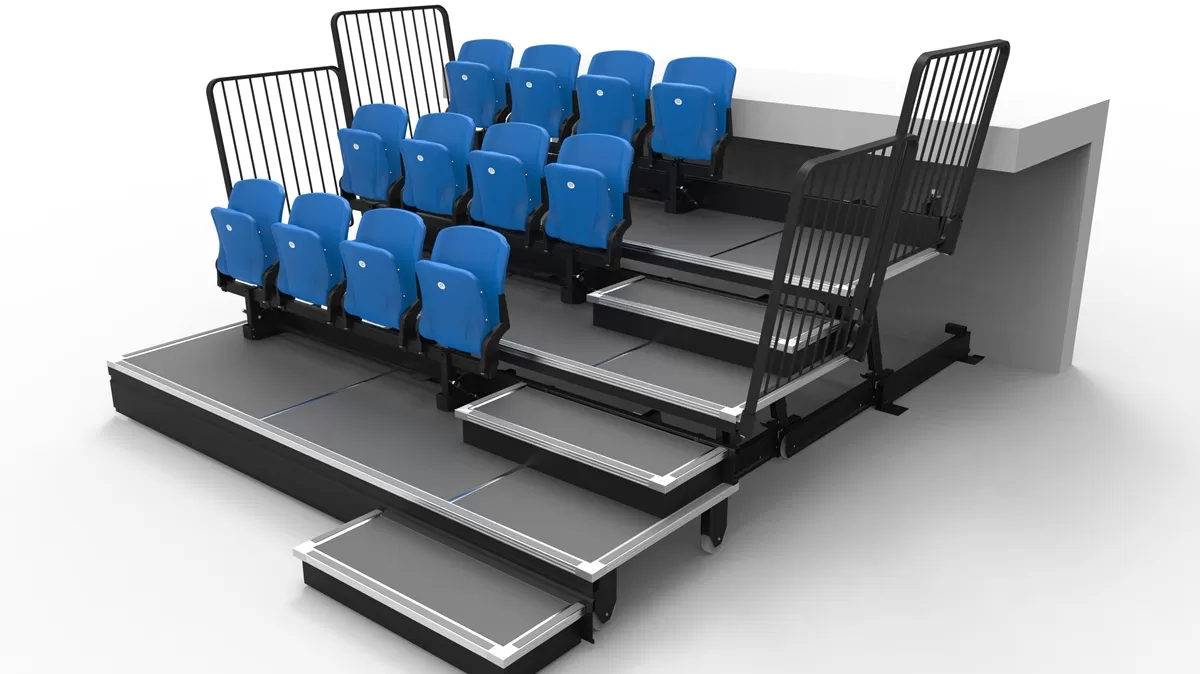
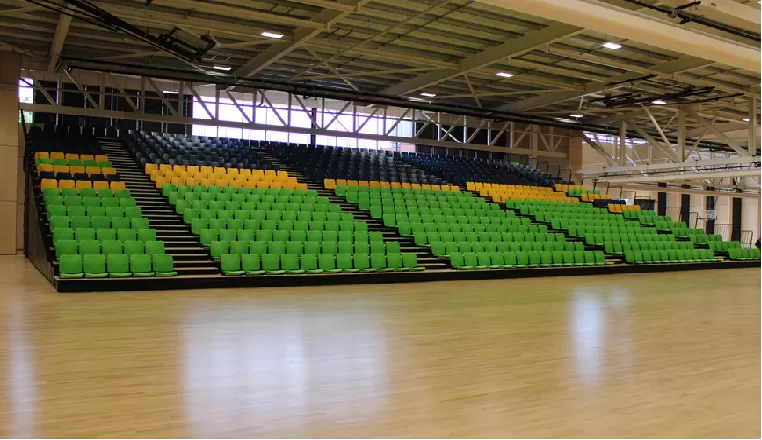
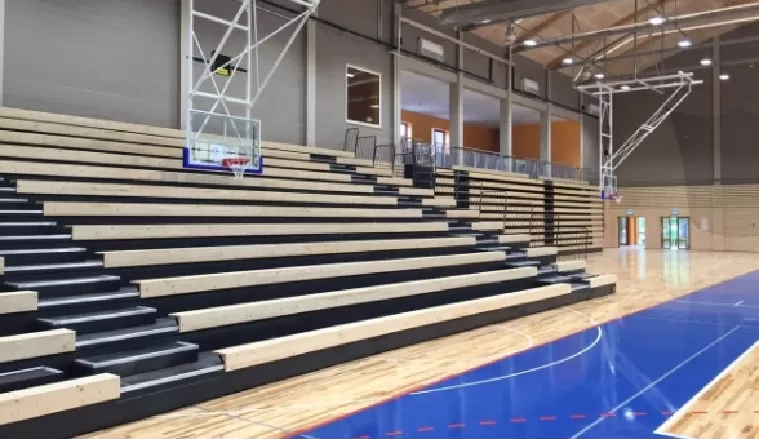
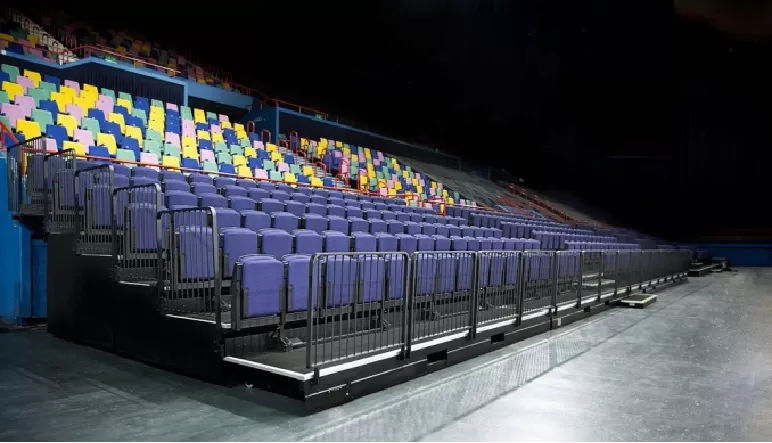
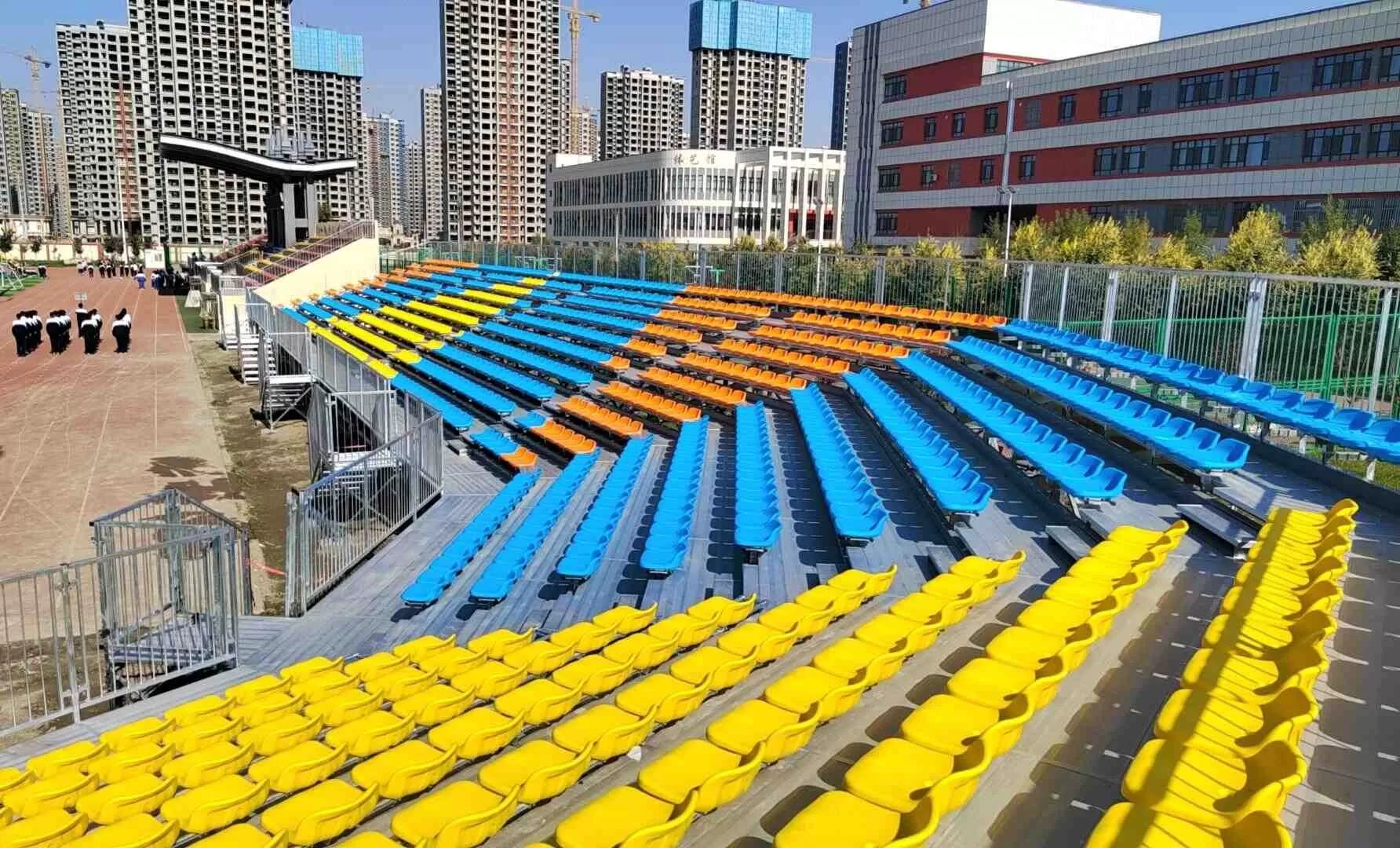
Telescopic seating installation in a modern indoor sports arena, designed for optimal visibility and spectator comfort
What Are Retractable Seating and Fixed Seating?
First, let’s clarify the basics to avoid confusion:
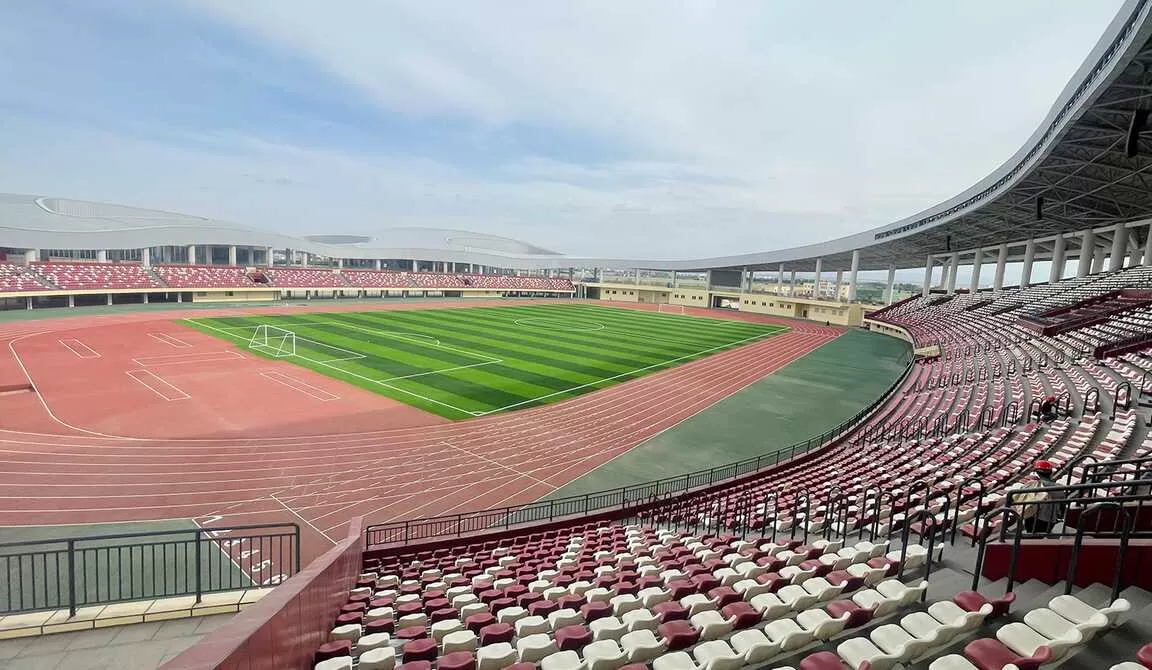
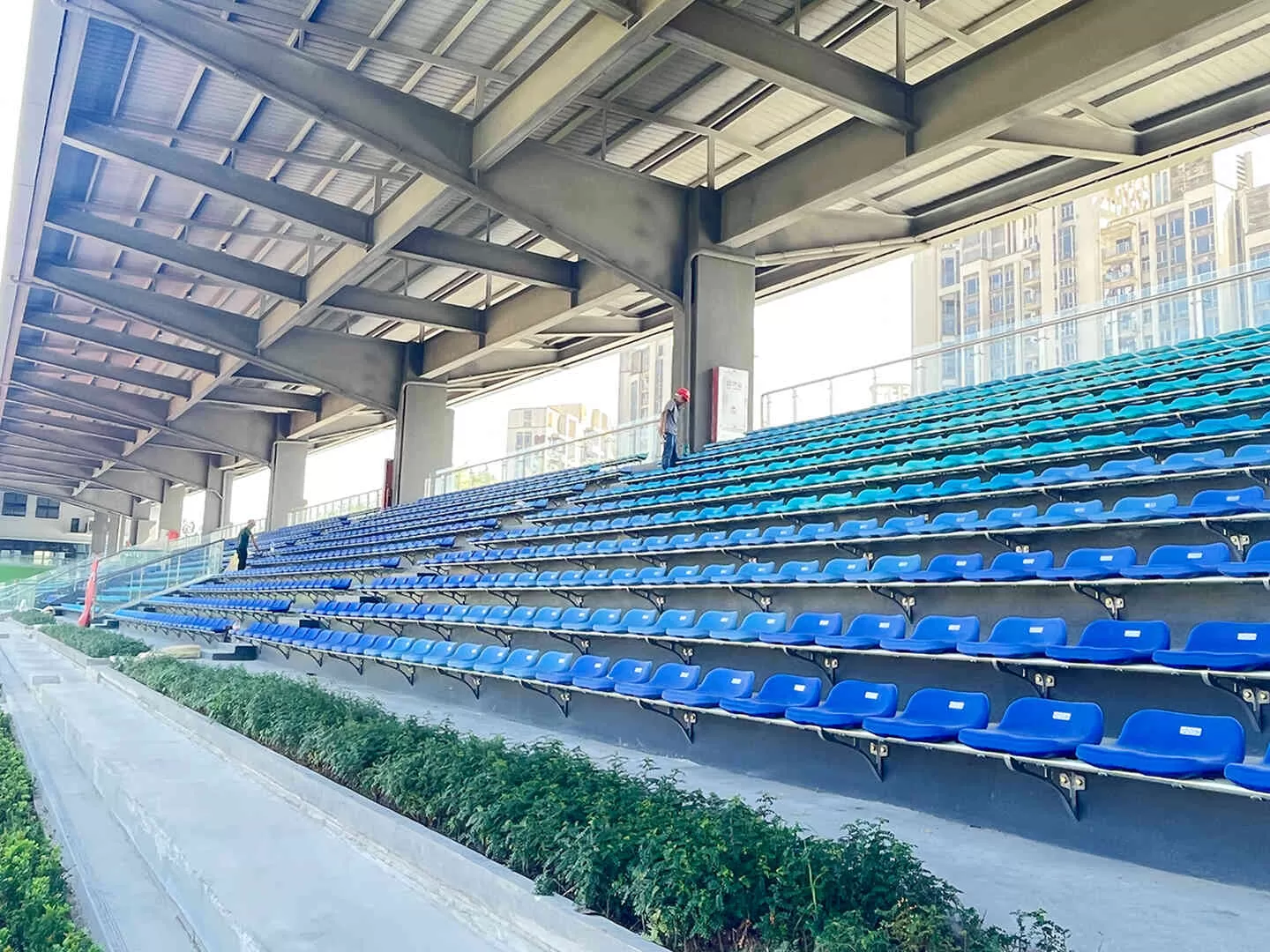
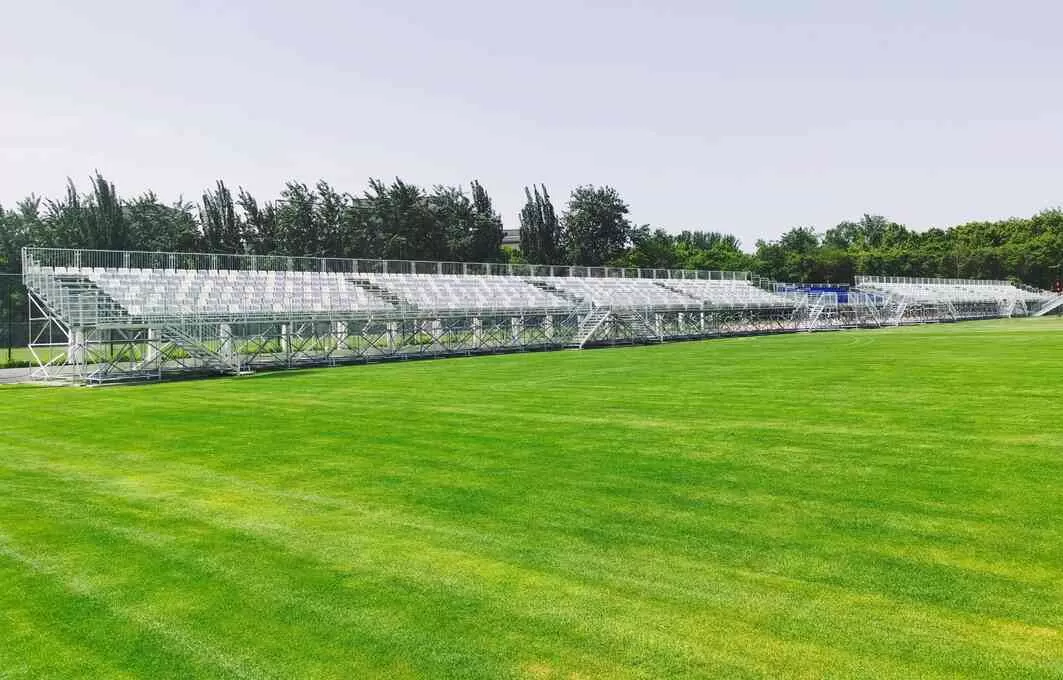
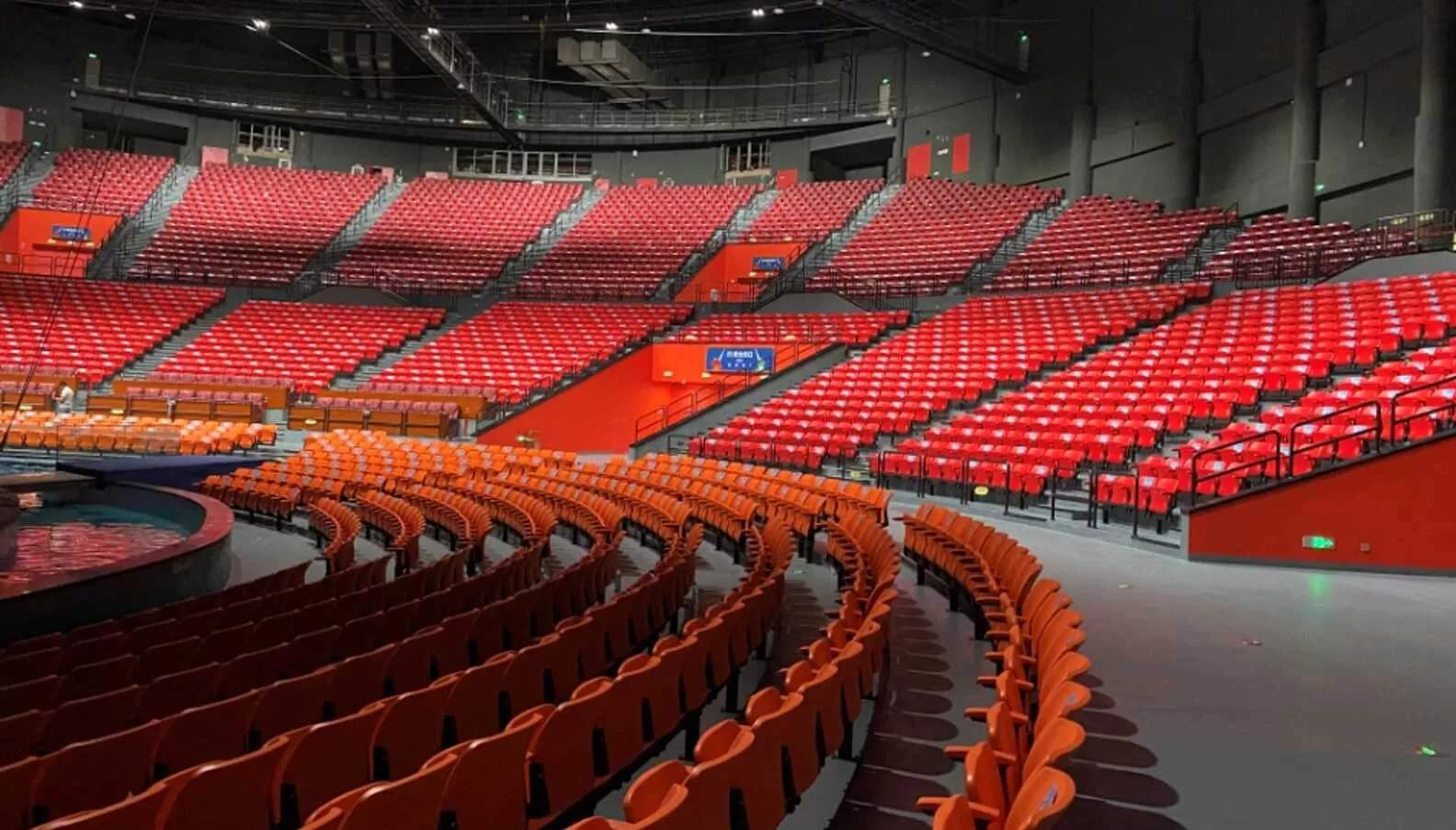
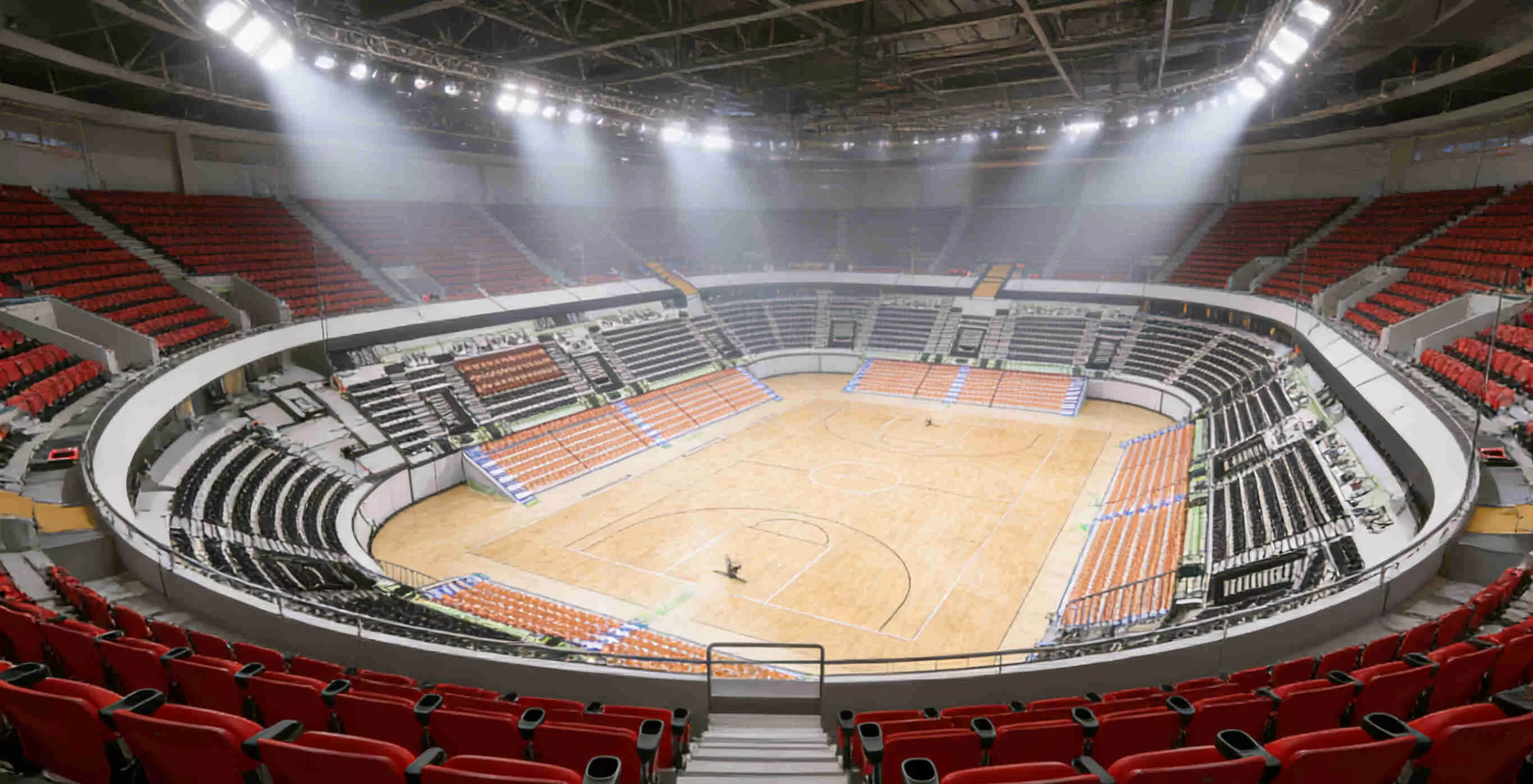
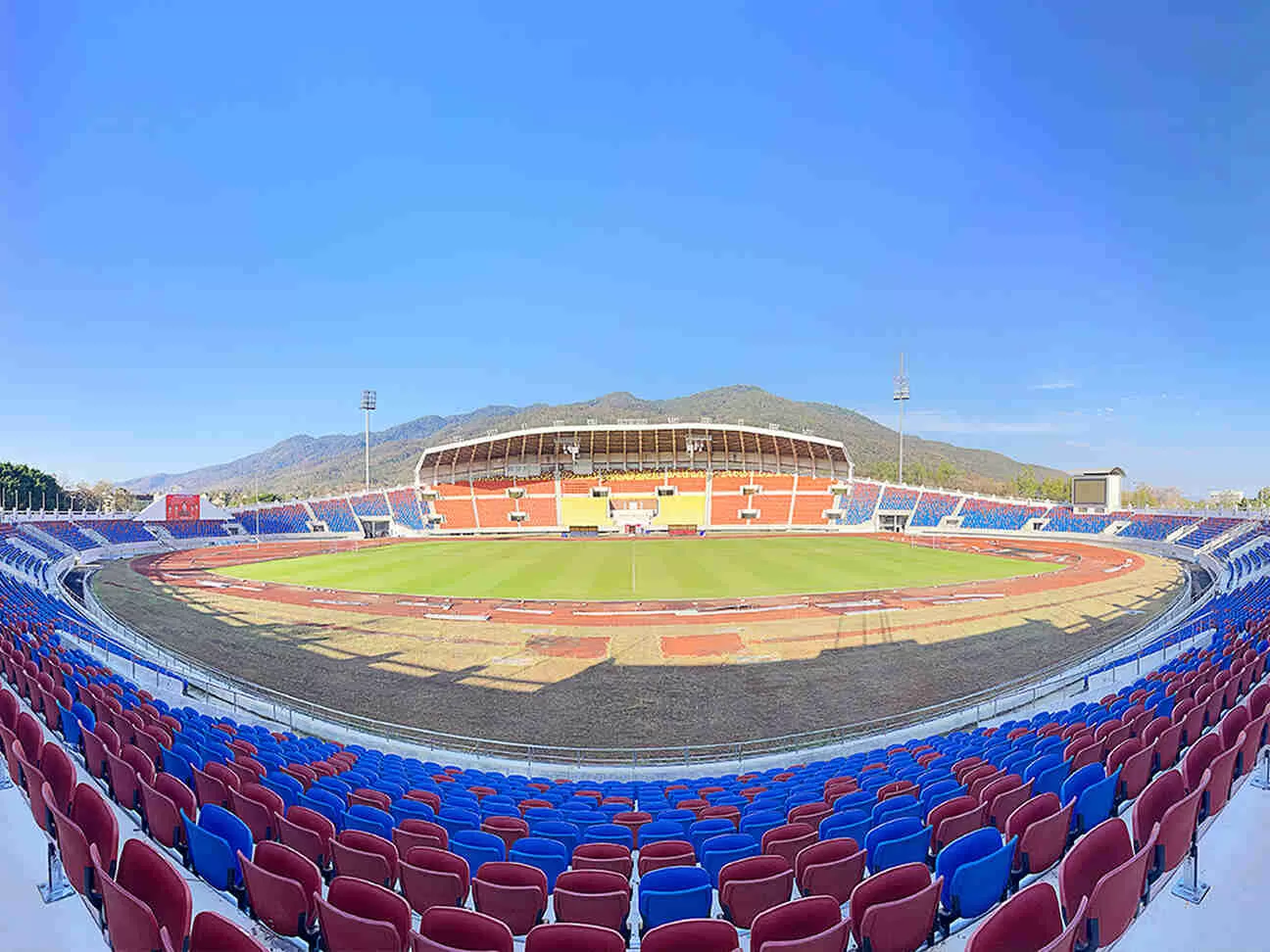
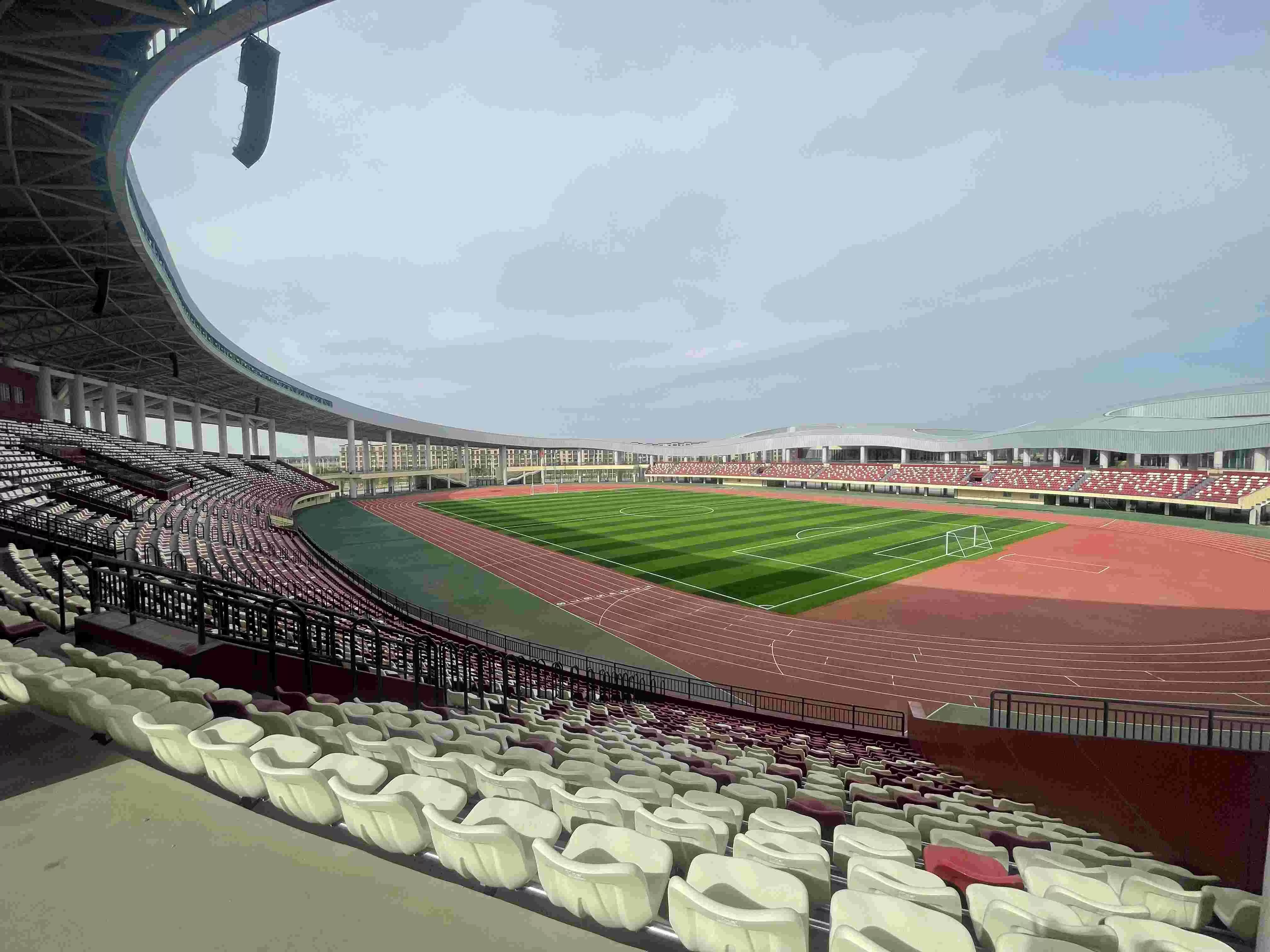
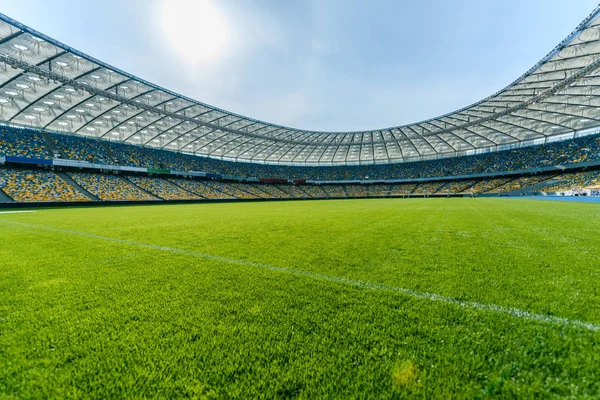
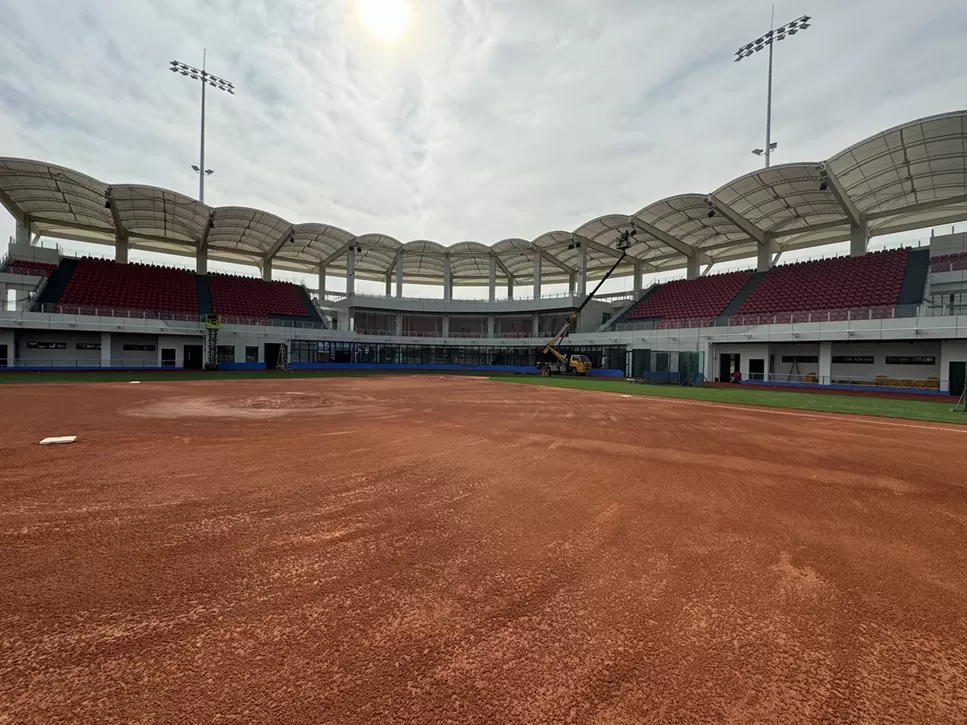
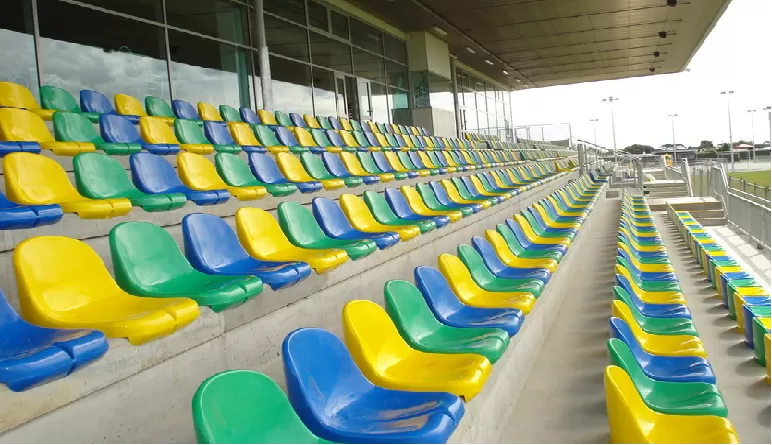
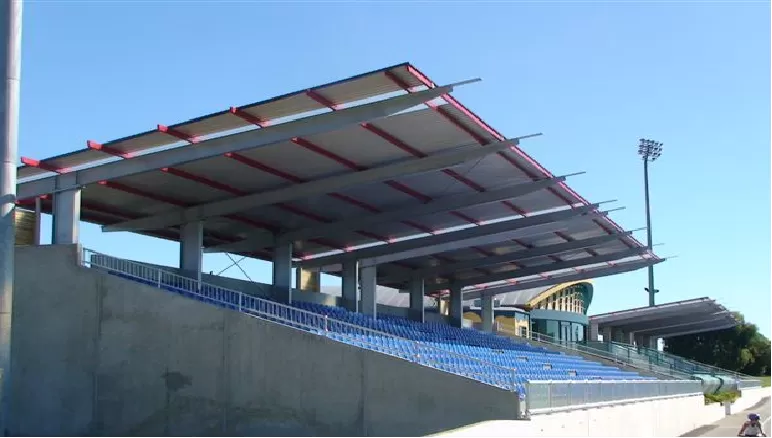
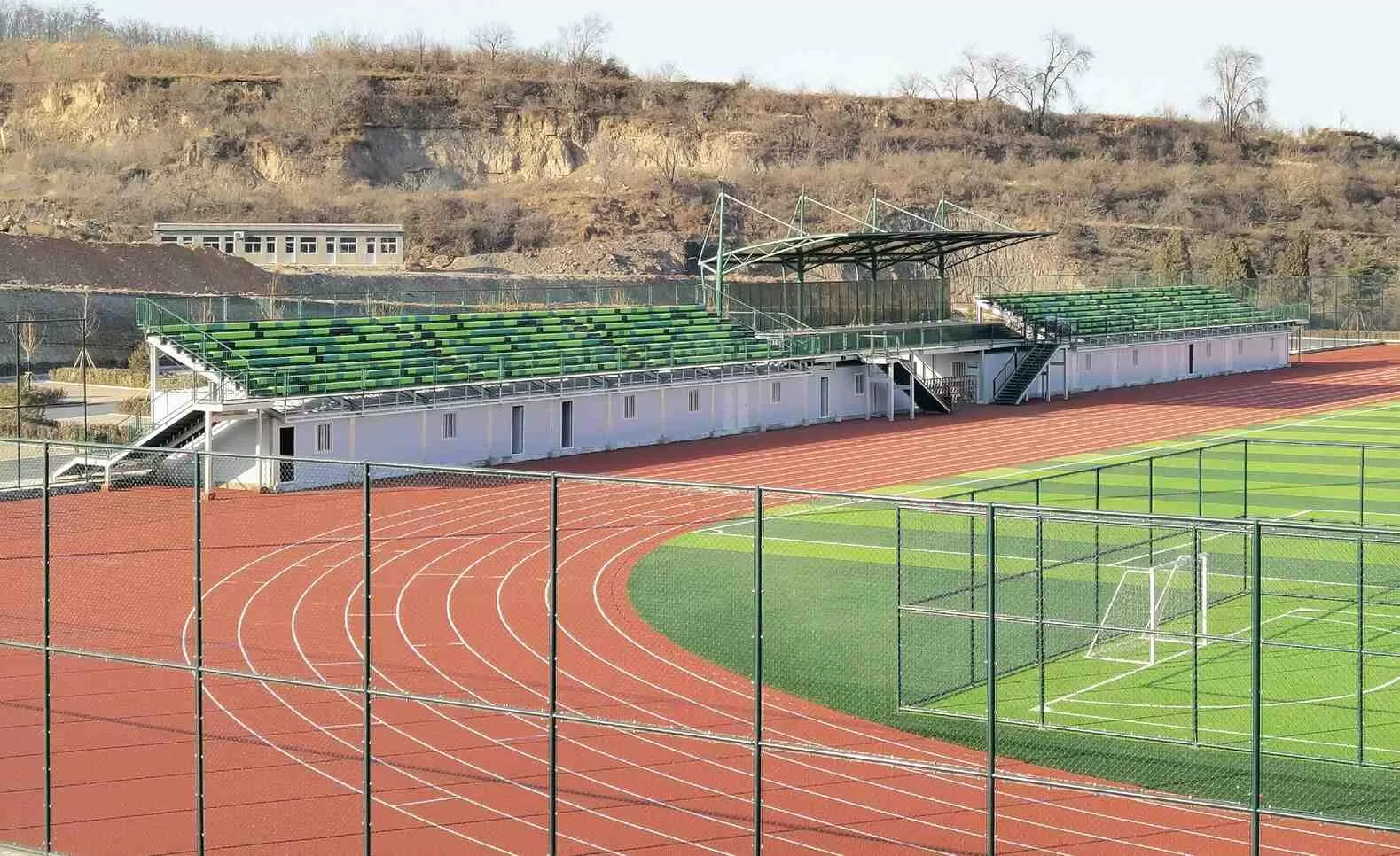
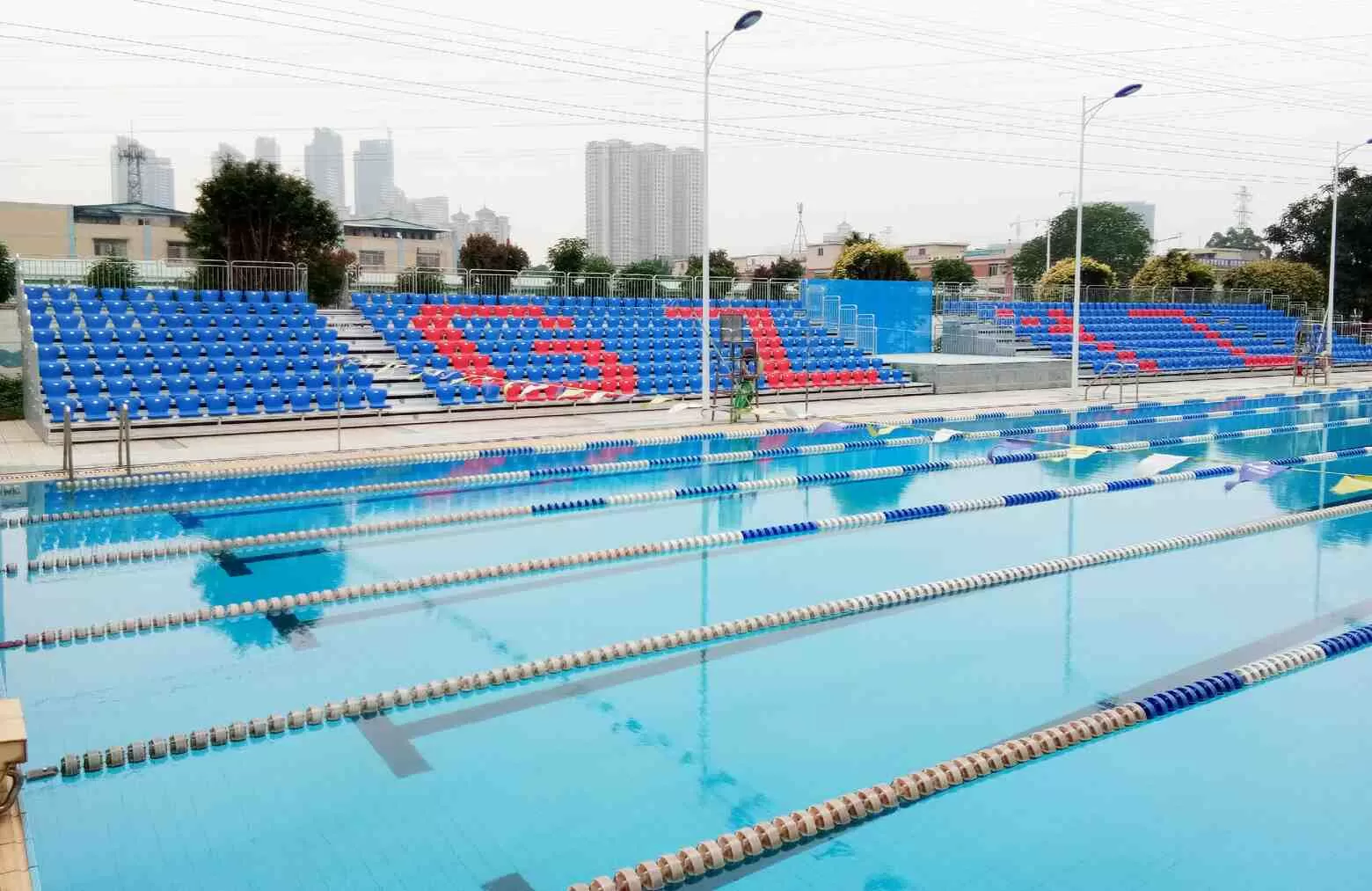
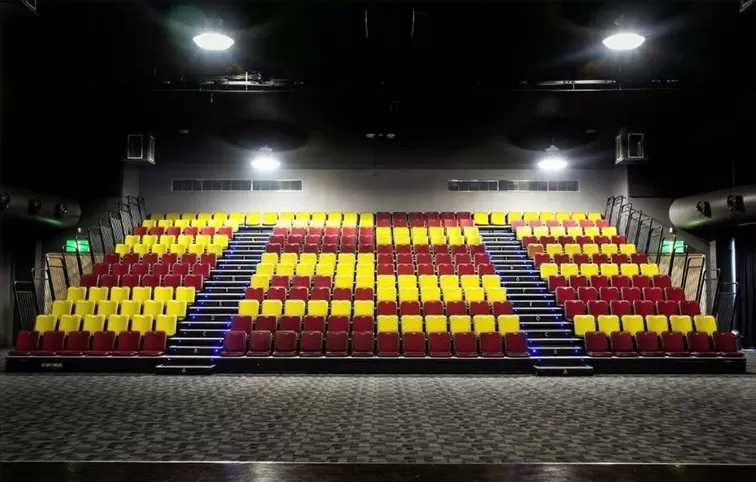
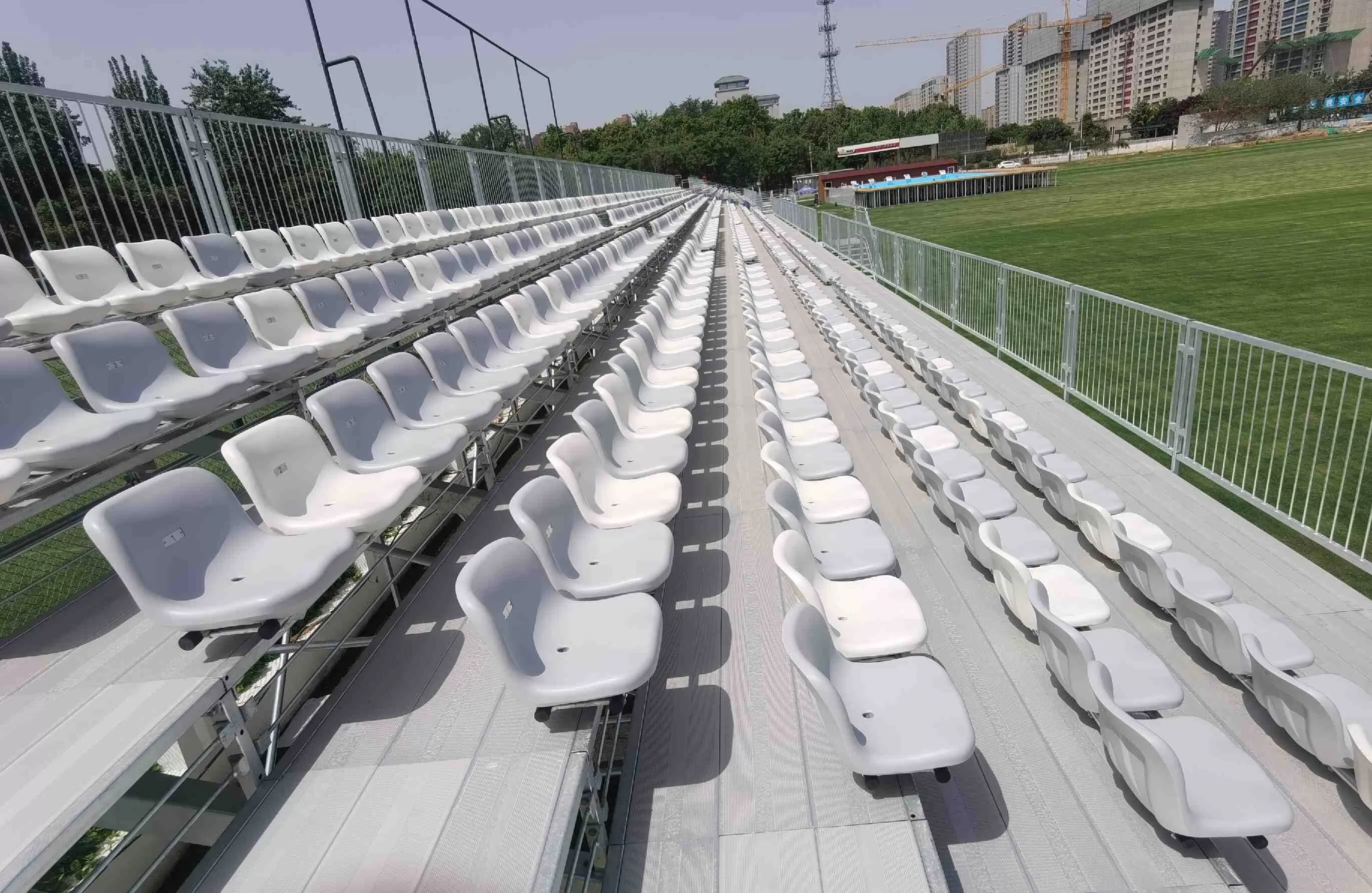
Fixed seating is exactly what it sounds like—permanent seating installations that are bolted or anchored to the floor or structure of your venue. Think of the traditional seating in a stadium, theater, or lecture hall: it’s always there, unchanging, and designed for consistent use.
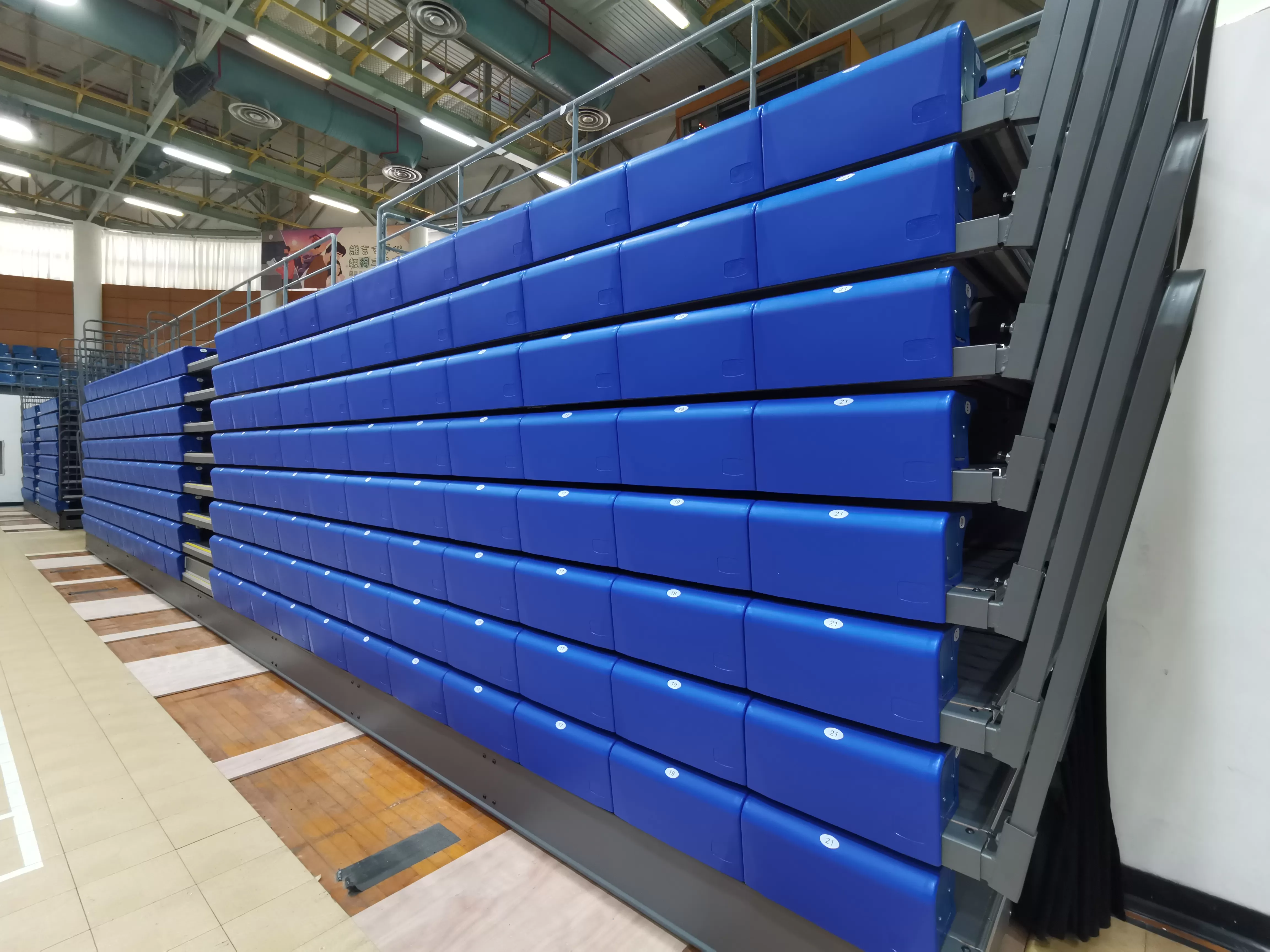
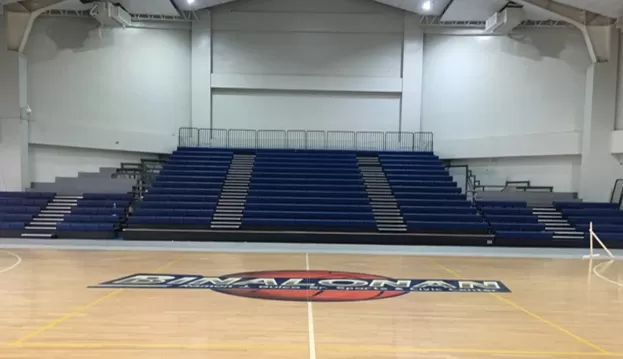
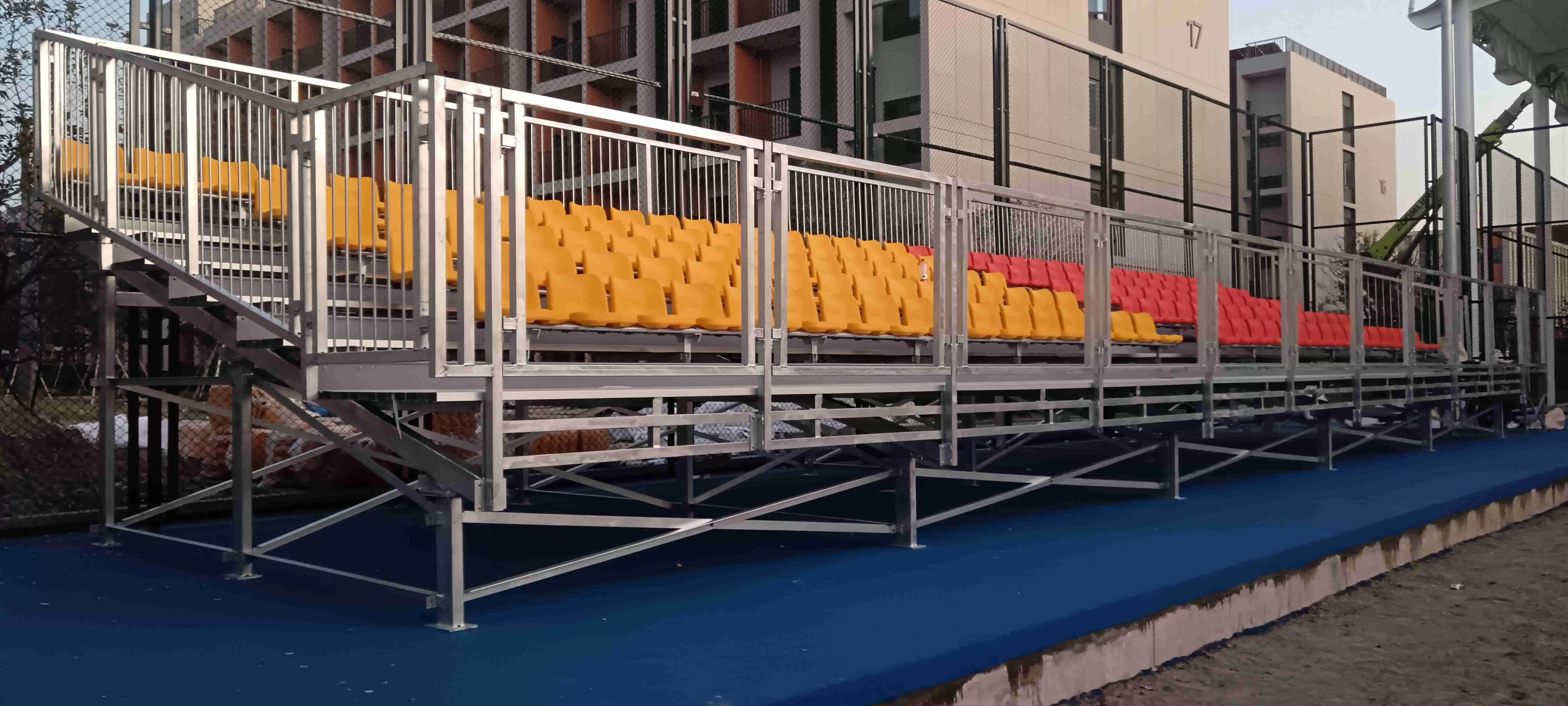
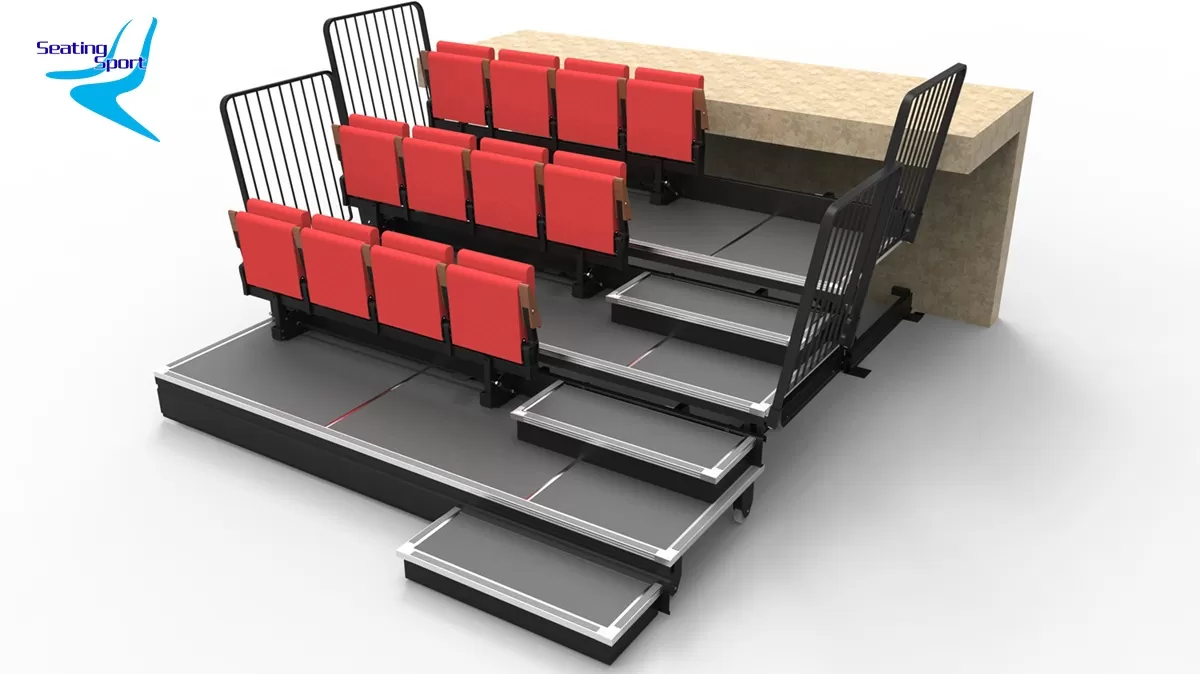
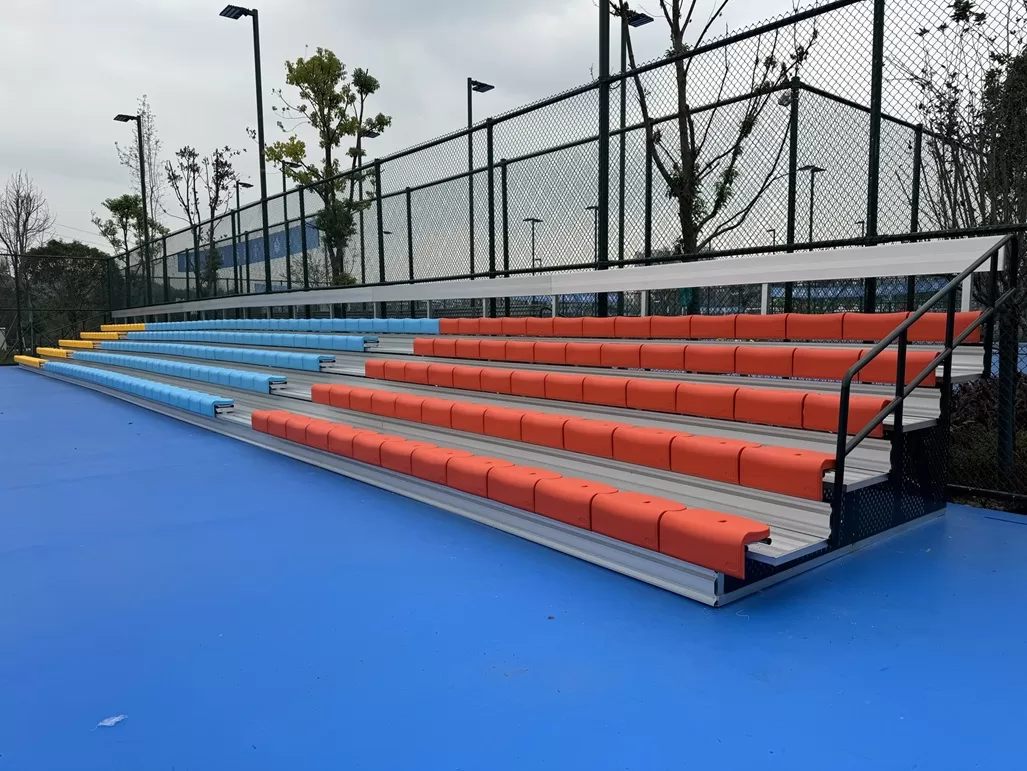
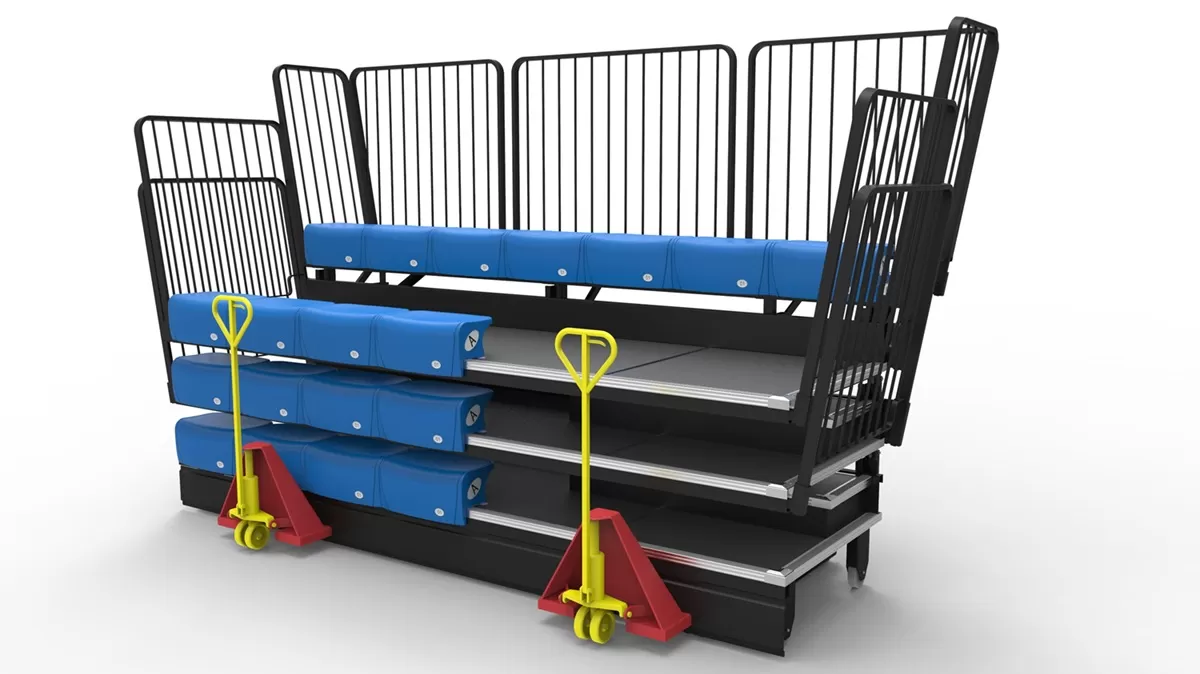
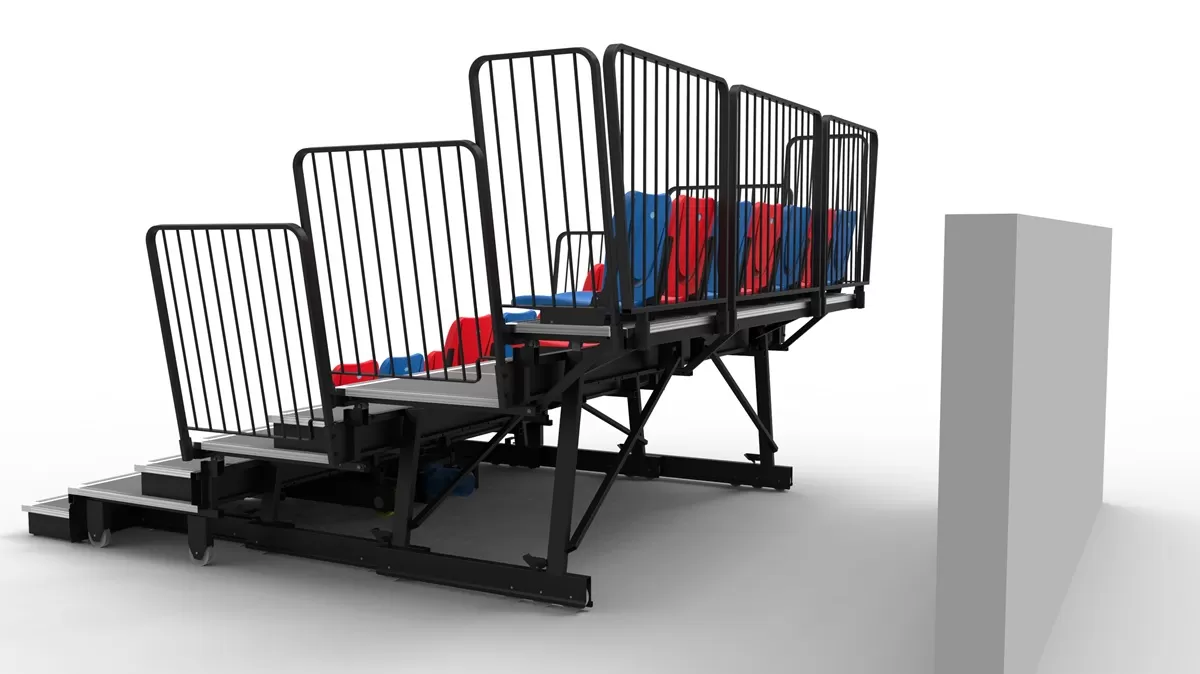
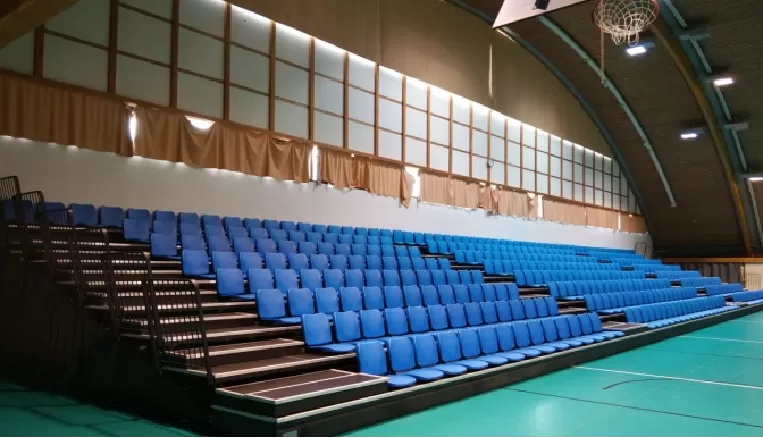
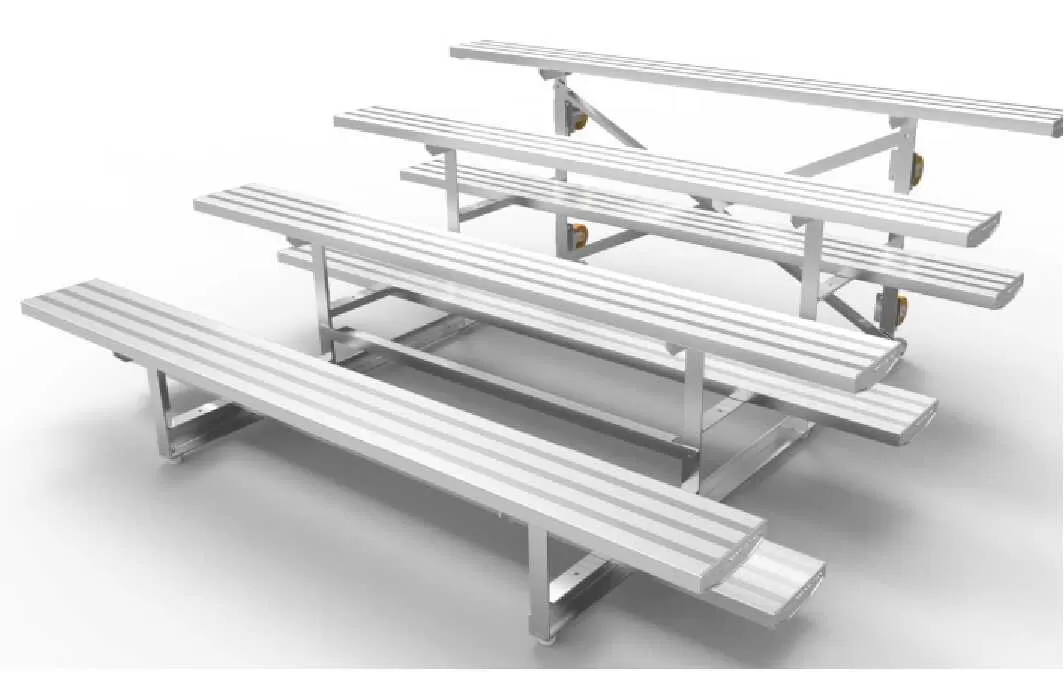
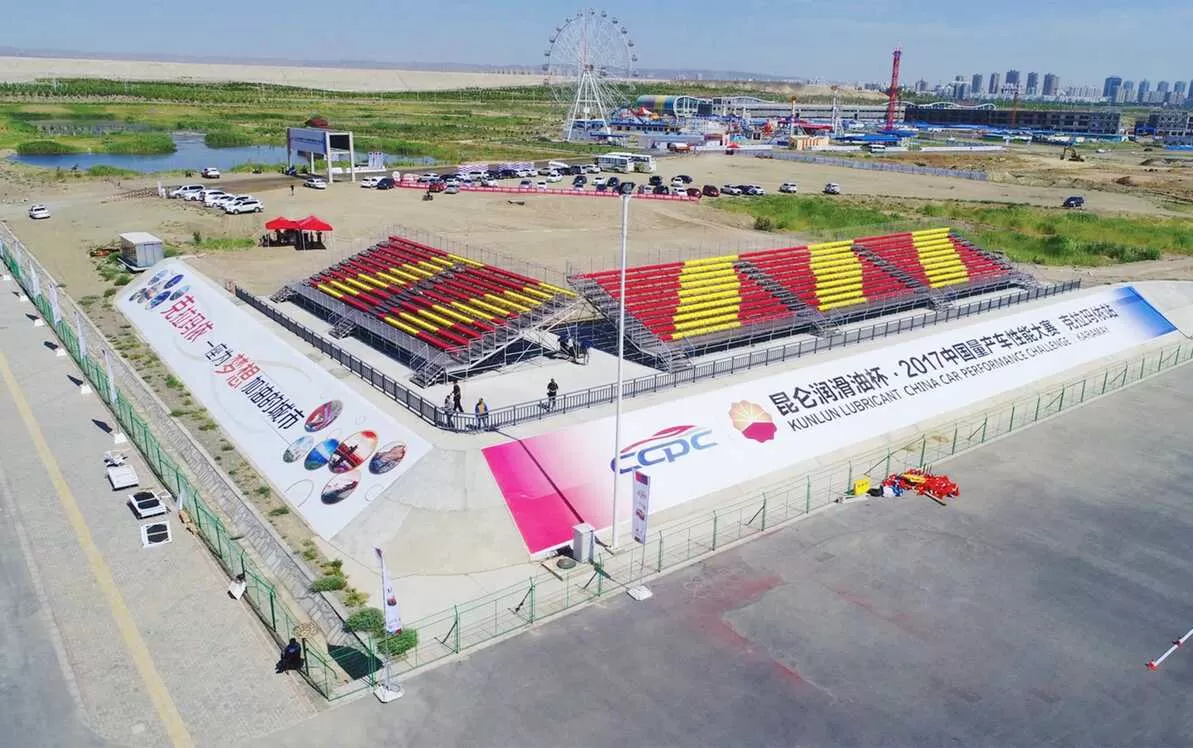
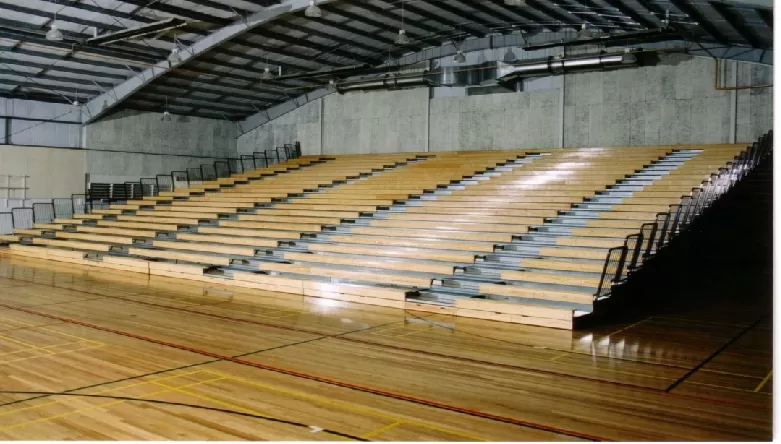
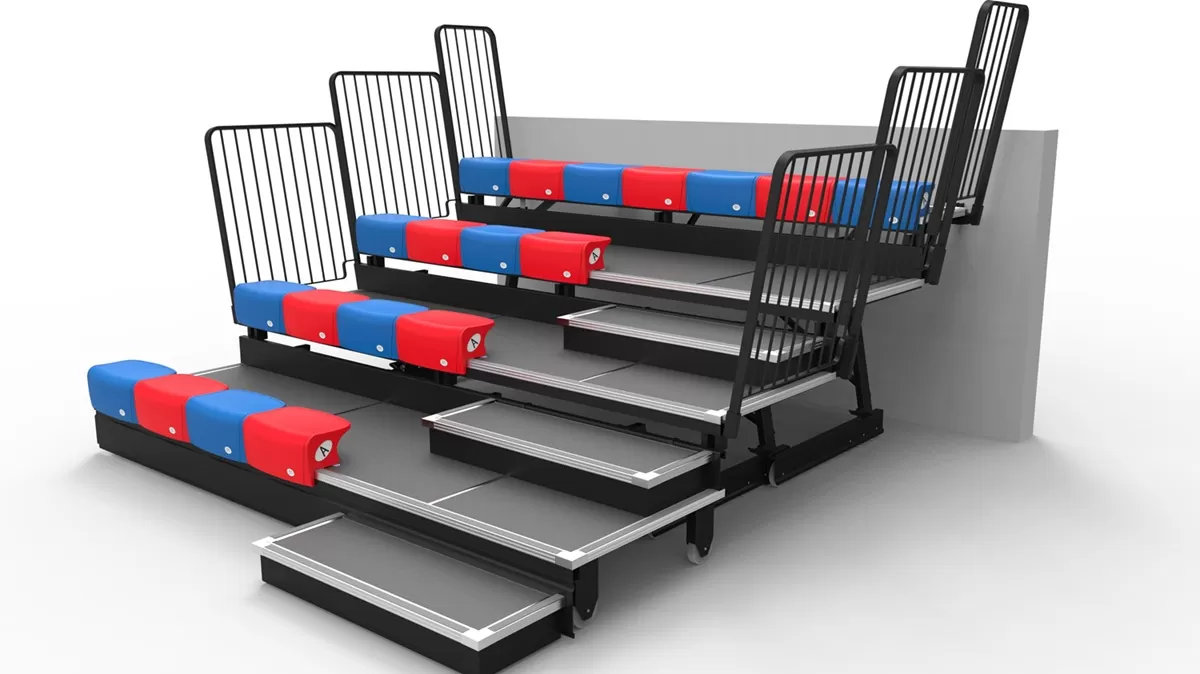
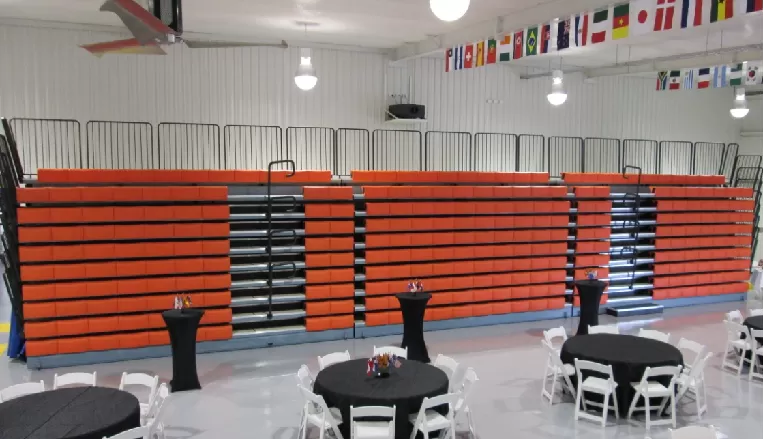
Retractable seating (also called telescopic seating or folding seating) is a flexible solution that can be extended when needed and retracted when not in use. It’s designed to maximize space efficiency, allowing your venue to switch between seating mode and open floor space for other events—like concerts, trade shows, or community gatherings.
Key Comparison: Retractable Seating vs. Fixed Seating
To make it easier to compare, let’s break down the most important factors for venue owners and operators:
1. Space Efficiency
Retractable seating: Winner
The biggest advantage of retractable seating is its ability to save space. When retracted, it folds neatly against the wall or into a compact storage area, freeing up the entire floor for other uses. This is a game-changer for multi-purpose venues—for example, a school gym that needs to host basketball games one day and assemblies or dances the next. Retractable seating lets you get the most out of your available space without sacrificing seating capacity when you need it.
Fixed seating: Limitation
Fixed seating takes up permanent floor space, even when it’s not in use. If your venue is used for multiple purposes, this can be a major drawback—you’ll be limited in how you can rearrange the space, and unused seating may feel like a waste of valuable square footage.
2. Seating Capacity & Comfort
Fixed seating: Winner (for consistent capacity)
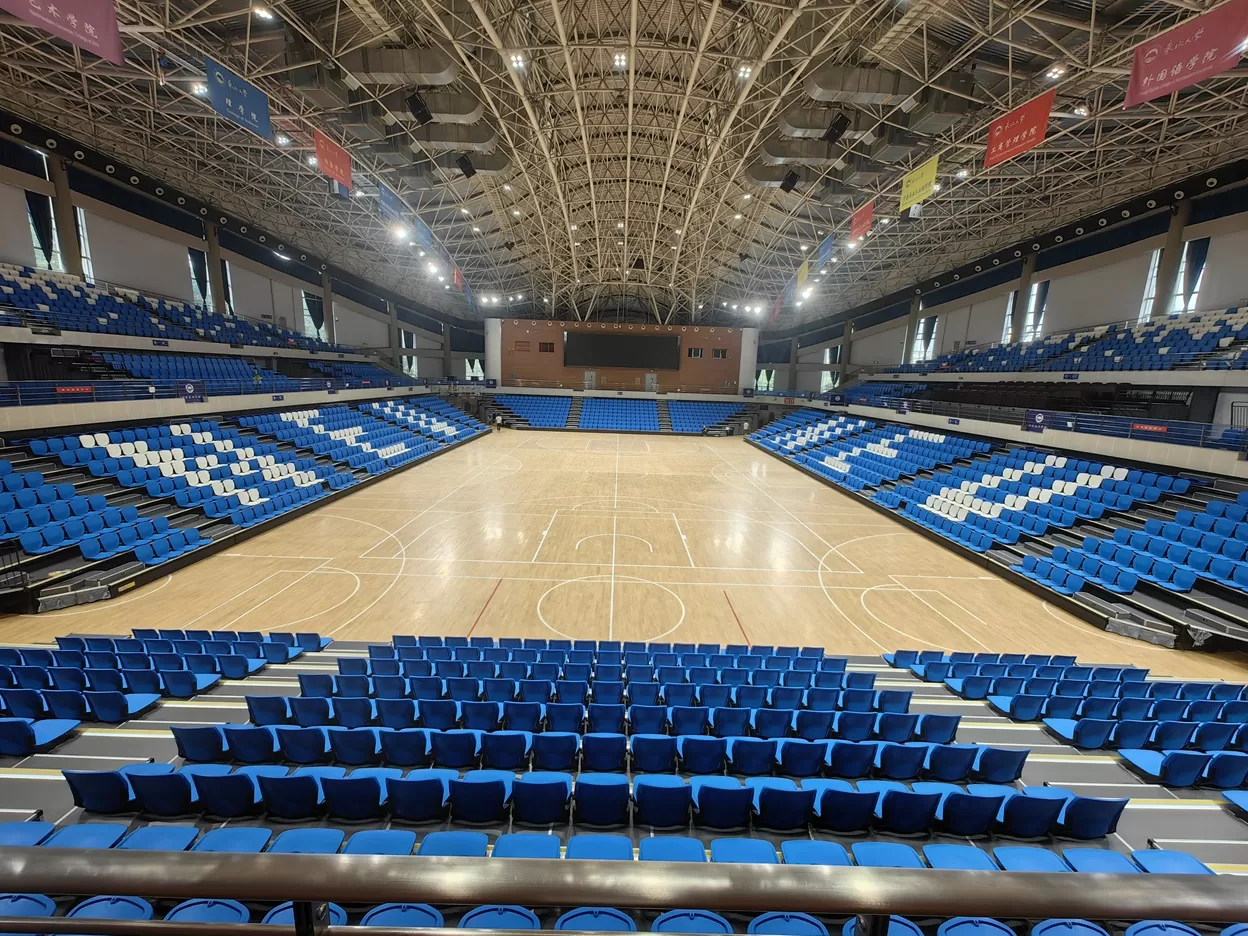
Fixed seating is designed for long-term use, so it often offers better comfort and higher seating density. You can customize the row spacing, seat width, and backrest design to accommodate more people comfortably—perfect for venues that host large, regular events (like a professional stadium or a dedicated theater). Fixed seats also tend to be sturdier and more durable over time, as they’re not subjected to the wear and tear of being folded and moved regularly.
Retractable seating: Competitive, but with tradeoffs
Modern retractable seating systems (like our modular telescopic seating) offer impressive capacity and comfort—many come with padded seats, backrests, and adjustable row spacing. However, the capacity is limited by the space available when extended; you can’t add more seats beyond the system’s design. Additionally, while high-quality retractable seats are durable, they may require more maintenance than fixed seating to ensure the folding mechanism works smoothly.
Fixed seating is generally cheaper to install upfront, as it requires less complex hardware and labor. Once installed, it has minimal maintenance needs—just regular cleaning and occasional repairs. However, it’s a permanent investment: if you ever need to reconfigure your venue or expand, removing or modifying fixed seating can be costly and time-consuming.
Retractable seating has a higher initial cost due to the mechanical components (telescopic frames, folding mechanisms) and custom design. However, this cost is often offset by its flexibility—you won’t need to build a separate space for different events, and you can adapt to changing needs without major renovations. Maintenance is slightly higher (lubricating moving parts, checking for wear), but modern systems are designed to be low-maintenance.
4. Versatility & Use Cases
Retractable seating: Ideal for multi-purpose venues
If your venue is used for a variety of events—sports, concerts, conferences, weddings, or community activities—retractable seating is the clear choice. It lets you switch between seating for 500 people and an open floor for 1,000 guests in minutes, making your venue more versatile and profitable. Common use cases include: school gyms, community centers, hotel ballrooms, and small to medium-sized sports arenas.
Fixed seating: Ideal for dedicated venues
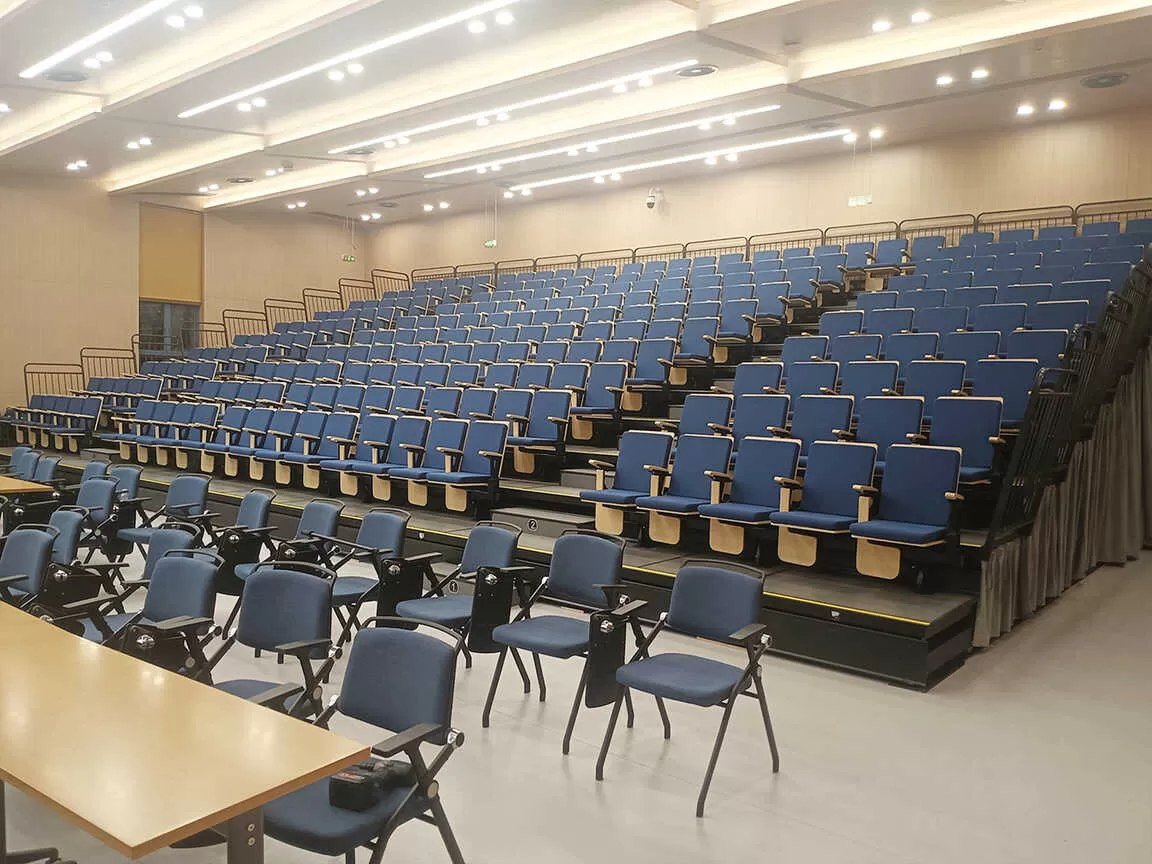
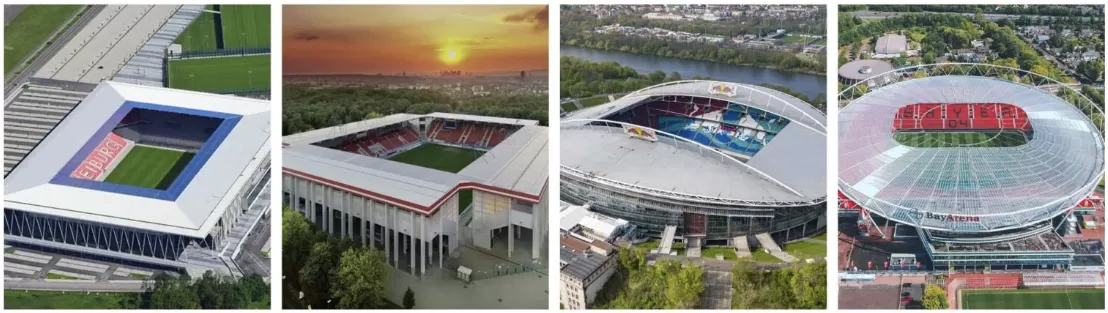
Fixed seating is best for venues that have a single primary purpose. For example: professional stadiums, movie theaters, lecture halls, and dedicated sports facilities where seating is always needed. If your venue’s main function is to host spectators for games, performances, or lectures, fixed seating is more practical and cost-effective in the long run.
5. Aesthetics & Customization
Both options offer customization, but the focus differs:
Fixed seating can be fully customized to match your venue’s design—you can choose materials (like wood, metal, or high-impact PP), colors, logos, and seat styles to create a cohesive look. It’s a permanent part of your venue’s aesthetic, so you can invest in premium finishes.
Retractable seating is also customizable (our systems offer color options, padded seats, and modular designs), but the focus is on functionality. While it can still look sleek and professional, the folding mechanism means some design compromises (e.g., slimmer frames to save space).
So, Which Is Better for You?
There’s no one-size-fits-all answer—but here’s a simple guide to help you decide:
Choose retractable seating if:
Your venue is multi-purpose (hosts sports, events, gatherings).
Space is limited, and you need to maximize flexibility.
You want to adapt to changing event needs without major renovations.
Your seating needs vary (some events require seating, others need open space).
Choose fixed seating if:
Your venue has a single primary purpose (stadium, theater, lecture hall).
You need maximum seating capacity and comfort for regular events.
You’re working with a tight upfront budget and don’t need flexibility.
You want a permanent, low-maintenance seating solution.
Final Thoughts
Retractable seating and fixed seating both have their place in venue design—neither is “better” overall, but one will be better for your specific needs. If you’re still unsure, consider your venue’s primary use, space constraints, budget, and long-term goals. For multi-purpose venues, retractable seating offers unbeatable flexibility; for dedicated spaces, fixed seating is more practical and cost-effective.
At [Shenzhen Seating Sport Equipment Co.,LTD.], we offer both high-quality retractable seating and fixed seating solutions, tailored to your venue’s unique requirements. Our modular designs, durable materials (like high-impact PP), and customizable options ensure you get the perfect seating for your space. For more details on which solution is right for you, visit our website or contact our team today.